01. Tarantulas look scary but have mild venom.
02. The most venomous spider is the Brazilian wandering spider.
03. Brown recluse bites are dangerous because they don’t hurt at first, so people may not notice right away.
04. Charlotte from Charlotte’s Web is the most famous fictional spider.
05. Arachnophobia means fear of spiders, one of the most common fears.
06. “Spider” comes from an old English word meaning “spinner.”
07. Spiders have muscles inside their bodies, unlike humans.
08. Scientists created a “Spidernaut,” a robot spider to walk on spacecraft surfaces.
09. Spider silk starts as liquid, then becomes solid when it hits air.
10. Spider silk is 5× stronger than steel, if both were the same thickness!
11. Some spiders throw nets at their prey.
12. Hummingbirds use spider silk to build their nests.
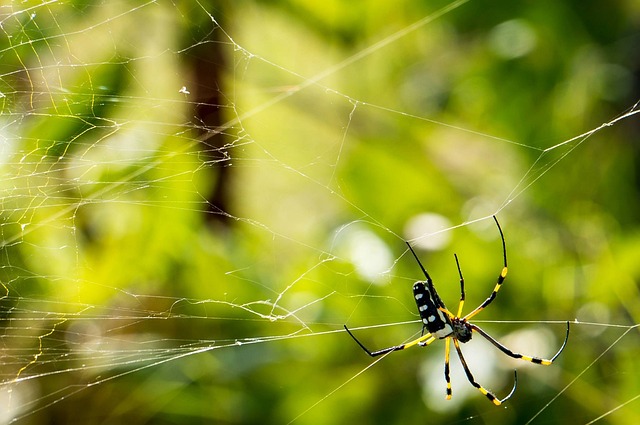
13. Golden orb spider webs can last for years and may even catch birds.
14. Funnel-web spiders are very dangerous, but antivenom now prevents most deaths.
15. Spiders can’t chew, so they turn their food into liquid and suck it up.
16. Some spiders give “gifts” like dead insects to impress mates.
17. Spiders can “balloon” through the air by floating on silk threads.
18. Water spiders live underwater using a “diving bell” made of air bubbles.
19. Some spiders look like bird poop to avoid being eaten!
20. Jumping spiders can jump 40× their body length.
21. Jumping spiders use hydraulic pressure (body fluid) to launch themselves.
22. Wheel spiders escape danger by rolling like a wheel.
23. People once used spider webs on wounds—spider silk has vitamin K, which stops bleeding.
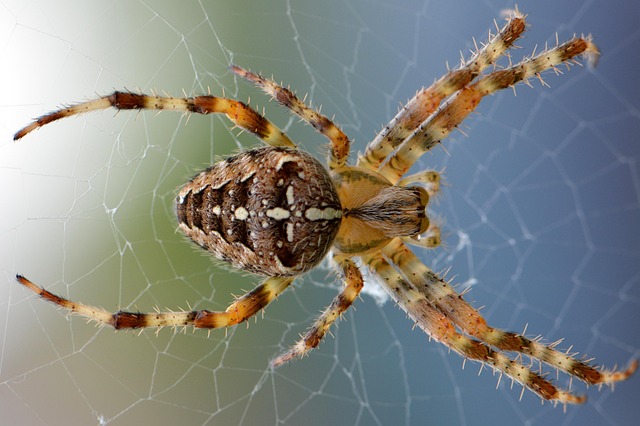
24. Webs come in many designs: sheets, tangles, ladders, and orbs.
25. Scientists try to make spider-silk armor, like bulletproof vests.
26. Darwin’s bark spider makes the strongest natural materials stronger than Kevlar.
27. Some spiders live in huge groups, making webs that cover trees.
28. Only female black widows are dangerous.
29. Some female spiders eat the male after mating.
30. A mother spider can lay up to 3,000 eggs at once.
31. Wolf spider mothers carry babies on their backs.
32. Female black widows can lay eggs for life after mating once.
33. Long ago, people believed dancing cured spider bites, creating the “tarantella” dance.
34. Spiders are not insects; they’re arachnids. They have 8 legs, not 6.
35. Most spiders have 8 eyes, but they still don’t see well.
36. Different drugs affect the way spiders spin webs—a famous weird experiment.
37. It’s a myth that humans swallow spiders in their sleep.
38. Arachne in Greek myth was turned into a spider for challenging a goddess.
39. Spiders have no bones—only a hard outer shell (exoskeleton).
40. Spiders molt around 10 times to grow.
41. Bolas spiders catch moths using a sticky ball that smells like a female moth.
42. A female black widow’s venom is 15× stronger than a rattlesnake.
43. A tarantula can liquefy a mouse in 2 days.
44. Most spiders live about 1 year, but some tarantulas live 20+ years.
45. A wasp called the tarantula hawk paralyzes tarantulas and lays eggs on them.
46. Some spiders shoot sticky glue from their fangs.
47. Many spiders are tied to silk “safety ropes” like rock climbers.
48. Female spiders are usually bigger than males.
49. Spiders don’t have antennas.
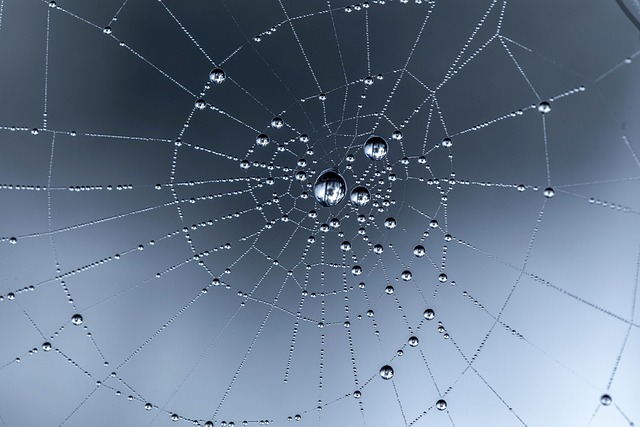
50. Webs are sticky because of tiny glue droplets.
51. A spider strand long enough to wrap around Earth would weigh just over one pound.
52. The Hawaiian happy-face spider looks like it’s smiling.
53. Spiders only bite if threatened, they do NOT attack humans.
54. There are around 38,000 known kinds of spiders, and scientists think many more are still undiscovered.
55. Spiders live everywhere except Antarctica. You’re never far from a spider! On average, 1 acre of land has 1–3 million spiders. Scientists say a person is almost always within 10 feet of a spider.
56. They eat harmful insects, help plants grow, and are food for birds, fish, and small animals.
57. Spiders eat more insects than birds and bats combined.
58. All spiders make silk, but not all make webs. Male spiders make a tiny “sperm web.” They place a drop of sperm on it, pick it up, and use it to mate.
59. Web-building spiders don’t get stuck because they have tiny claws and a special oily coating.
60. Spiders walk in a special way: Always four legs on the ground and four legs up.
61. Old spider webs are called “cobwebs.”The word “cob” used to mean spider.
62. Some spider bites can damage blood cells, but this is rare.
63. Spiders have blue blood because their blood uses copper, not iron.
64. A dead spider’s legs curl up because there is no fluid left to stretch them.
65. Black widow venom affects the nerves and can cause painful muscle contractions.
66. Spider bite effects vary depending on age, size, and amount of venom.
67. Spiders have 2–6 spinnerets, each like a tiny showerhead releasing silk.
68. Giant trapdoor spiders are “living fossils,” almost unchanged for 300 million years.
69. The biggest spider is the Goliath spider — up to 11 inches wide!
70. Some feared spiders are not the most dangerous.