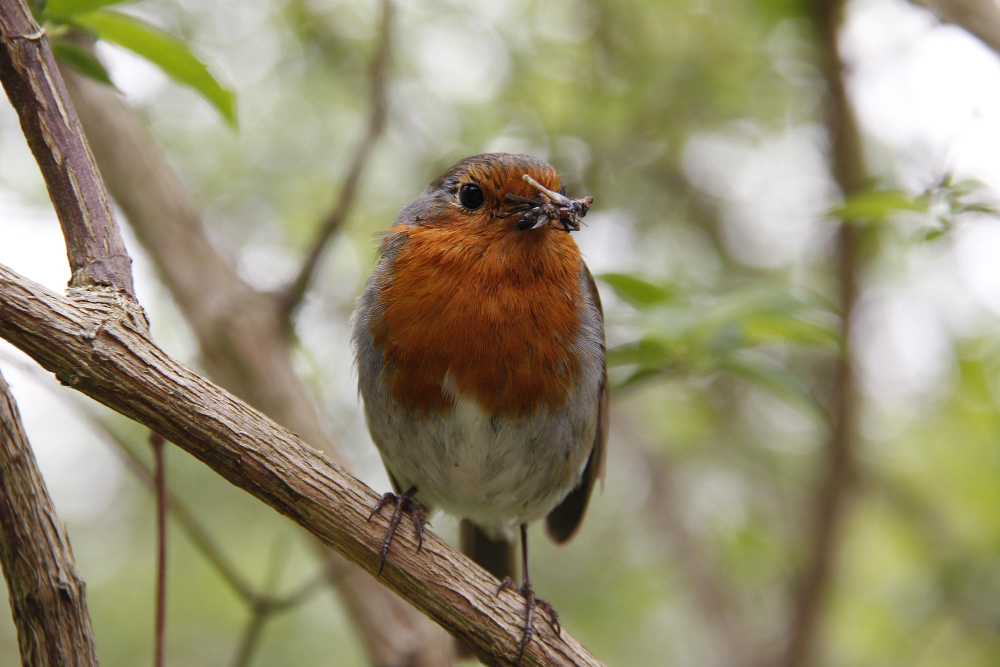
Indian Robin: The Charming Black-and-White Bird
The Indian Robin is a small but striking bird found across the Indian subcontinent. With its glossy black plumage, white shoulder patches, and warm brown under-tail, this bird stands out despite its modest size. Known for its bold attitude and melodious song, the Indian Robin is often seen perched on rocks, fences, and low branches, singing confidently in open landscapes. It is a true symbol of resilience and beauty in everyday nature.
Fun Facts
- Tiny but fearless: The Indian Robin will boldly chase away much larger birds from its territory.
- Rock lover: It often chooses rocky areas, ruins, and dry fields instead of dense forests.
- Tail signal: When excited or alarmed, it flicks its tail to show off its chestnut-colored underside.
- Morning singer: Its sweet, clear song is most commonly heard at dawn and dusk.
- Regional star: It is one of the most recognizable native songbirds in India and Bangladesh.
Scientific Information
- Common Name: Indian Robin
- Scientific Name: Saxicoloides fulicatus
- Family: Muscicapidae (Old World flycatchers)
- Order: Passeriformes
- Size: About 13–15 cm in length
- Wingspan: Approximately 20–25 cm
- Diet: Insectivorous – insects, spiders, ants, beetles, and other small invertebrates
- Habitat: Dry scrublands, rocky areas, open fields, farmlands, gardens, and village outskirts
- Geographic Range: India, Bangladesh, Sri Lanka, and parts of Pakistan
Habits & Behavior
- Feeding Style: The Indian Robin hunts mostly on the ground, hopping quickly to catch insects and small prey. It also perches on low rocks or fences to scan for movement before making short, fast dives.
- Singing & Communication: Males sing from exposed perches to attract mates and defend territory. Their song is melodious and sharp, especially during breeding season.
- Nesting: Nests are usually built in crevices, walls, holes in rocks, or abandoned structures. The female lays eggs in well-hidden spots to protect them from predators.
- Territorial Nature: Highly territorial, the Indian Robin aggressively guards its area and will confront intruders without hesitation.
- Daily Activity: Active throughout the day, especially in early morning and late afternoon when feeding and singing peak.