Raccoon: The Clever Masked Explorer of the Wild
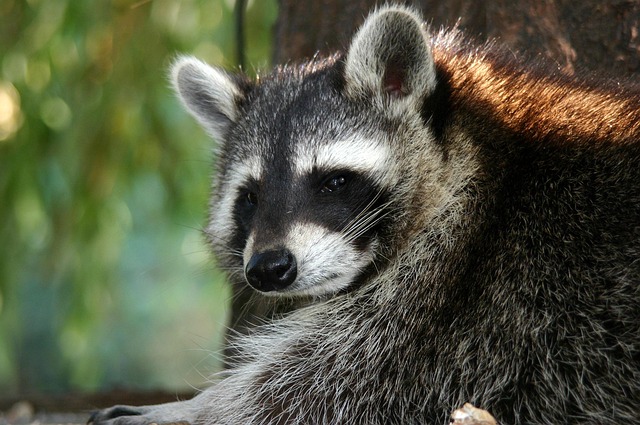
The raccoon is one of the most intelligent and adaptable wild animals found in North America. Easily recognized by its black “mask” around the eyes and its bushy, ringed tail, the raccoon is famous for its curiosity and problem-solving skills. Whether living in forests, wetlands, or even urban areas, raccoons have an impressive ability to survive and thrive in diverse environments.
Fun Facts
- Raccoons are extremely intelligent and can remember solutions to problems for years.
- Their front paws are highly sensitive and work almost like human hands.
- Raccoons often “wash” their food, though this behavior is more about touch than cleanliness.
- They can open jars, doors, and even complex locks.
- A group of raccoons is sometimes called a gaze or nursery.
Scientific Information
- Scientific Name: Procyon lotor
- Family: Procyonidae
- Order: Carnivora
- Class: Mammalia
- Average Lifespan: 2–5 years (wild), up to 15–20 years (captivity)
- Habitat: Forests, wetlands, grasslands, and urban areas
Raccoons are omnivores with a highly adaptable digestive system, allowing them to eat both plant and animal matter.
Habits & Behavior
- Raccoons are primarily nocturnal, meaning they are most active at night.
- They are excellent climbers and swimmers.
- Although generally solitary, raccoons may gather where food is abundant.
- They are opportunistic feeders, eating fruits, insects, small animals, eggs, and human food scraps.
- During winter, raccoons reduce activity but do not fully hibernate.