Grace of the Grasslands: The Elegant Blue Crane
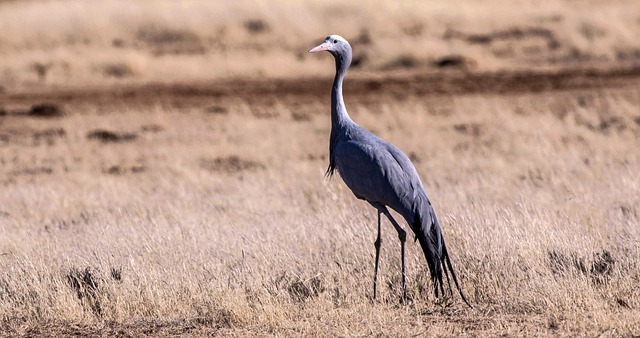
The Blue Crane is one of the most graceful and striking birds of Africa. With its soft bluish-grey plumage, long slender neck, and flowing wing feathers, this magnificent crane moves across open plains like a living work of art. Known for its calm presence and elegant courtship dances, the Blue Crane is a true symbol of beauty and freedom in the wild.
It proudly holds the title of national bird of South Africa , where it represents grace, heritage, and natural pride.
Fun Facts
- The Blue Crane is also called the Stanley Crane or Paradise Crane.
- During breeding season, pairs perform spectacular jumping and bowing dances.
- Unlike many cranes, it prefers dry grasslands rather than large wetlands.
- In South African culture, crane feathers were traditionally awarded as symbols of bravery and honor.
- Blue Cranes usually lay only 1–2 eggs per breeding season.
Scientific Information
- Scientific Name: Anthropoides paradiseus
- Family: Gruidae
- Order: Gruiformes
- Length: About 100–120 cm (39–47 inches)
- Wingspan: Around 180–200 cm
- Habitat: Grasslands, open plains, agricultural fields, and occasionally wetlands
- Conservation Status: Vulnerable (population affected by habitat loss and power line collisions)
Habits & Behavior
- Diet: Omnivorous — feeds on seeds, grains, insects, small reptiles, and amphibians.
- Social Nature: Often seen in pairs or small flocks; outside breeding season, they may gather in larger groups.
- Flight Style: Strong and steady flyers with slow, powerful wingbeats.
- Breeding Behavior: Builds nests on the ground in open grasslands. Both parents share incubation duties.
- Vocalization: Produces loud, trumpeting calls used for communication and territorial defense.
The Blue Crane is more than just a bird — it is a living emblem of elegance and resilience. Watching it walk across golden grasslands or hearing its powerful call echo through the plains is truly an unforgettable experience.