Andean Condor – The Majestic King of the Andes Sky
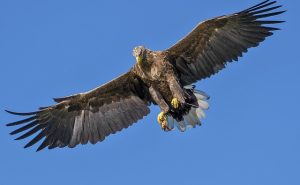
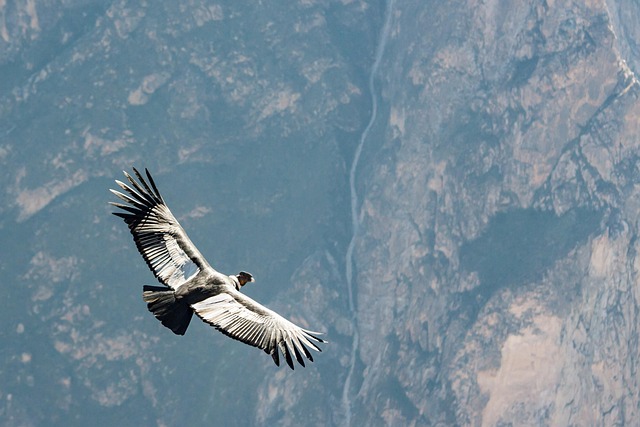
The Andean Condor is one of the most magnificent and powerful birds in the world. Soaring high above the rugged peaks of the Andes Mountains, this enormous vulture symbolizes strength, freedom, and endurance. With its massive wings spread wide against the mountain winds, the Andean Condor is truly a breathtaking sight and an icon of South American wildlife.
The Andean Condor is not only one of the largest flying birds on Earth but also holds deep cultural and national significance across the Andes region.
National Symbol
The Andean Condor is the national bird of:
- Colombia
- Ecuador
- Chile
- Bolivia
In many Andean cultures, the condor represents power, health, and the connection between the earthly world and the heavens.
Scientific Information
- Scientific Name: Vultur gryphus
- Family: Cathartidae (New World Vultures)
- Wingspan: Up to 3.3 meters (10.8 feet)
- Weight: 8–15 kg (males heavier than females)
- Lifespan: 50–70 years (one of the longest-lived birds)
- Habitat: Andes Mountains, coastal cliffs, open grasslands
- Diet: Carrion (dead animals)
The Andean Condor is among the largest flying birds by wingspan and weight, and it is the largest land bird in South America.
Fun Facts
- The Andean Condor has one of the largest wingspans of any land bird in the world.
- It can soar for hours without flapping its wings, using thermal air currents to stay aloft.
- Males have a distinctive fleshy crest (comb) on their heads, while females do not.
- It is one of the longest-living bird species, sometimes reaching over 70 years in captivity.
- Like many vultures, it plays a crucial ecological role by cleaning up carcasses and preventing disease spread.
Habits & Behavior
Soaring Masters
The Andean Condor spends most of its day gliding effortlessly over mountain valleys. It rarely flaps its wings and instead depends on rising warm air currents to travel great distances with minimal energy.
Social Structure
These birds are often seen alone or in small groups. However, they may gather in larger numbers around a large carcass. There is a clear dominance hierarchy, with males typically dominating feeding sites.
Feeding Behavior
As scavengers, condors feed mainly on large animal carcasses such as deer, cattle, or wild mammals. Their sharp eyesight helps them locate food from great heights.
Reproduction
Andean Condors breed slowly. A pair usually lays only one egg every two years. They nest on high cliff ledges, and both parents share incubation and chick-rearing duties.
Conservation Status
The Andean Condor is currently classified as Vulnerable due to habitat loss, poisoning, and human conflict. Conservation programs across South America are working to protect and reintroduce this iconic bird into its natural habitat.
The Andean Condor remains a powerful symbol of the Andes — a giant of the skies whose graceful flight continues to inspire awe across South America.