Mute Swan – The Graceful Monarch of Serene Waters
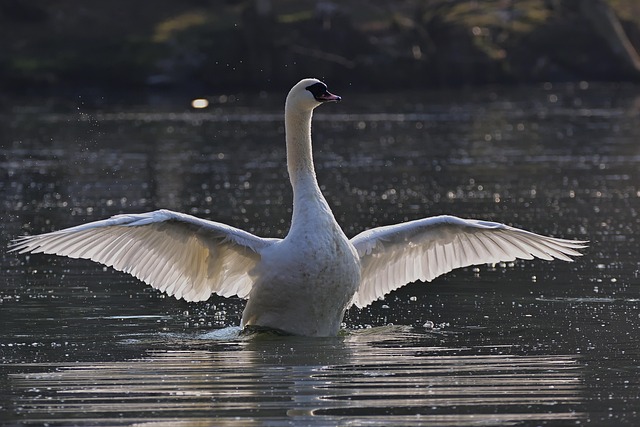
The Mute Swan (Mute Swan) is one of the most elegant and recognizable waterbirds in the world. With its long curved neck, snowy white feathers, and calm gliding movement across lakes and rivers, this magnificent bird symbolizes beauty, love, and tranquility. Often seen in parks, estates, and natural wetlands, the Mute Swan captures attention not by loud calls—but by its silent, regal presence.
Native to Europe and parts of Asia, the Mute Swan has also been introduced to North America and other regions. Its graceful posture and strong family bonds make it one of the most admired swan species globally.
Fun Facts
- Despite its name, the Mute Swan is not completely silent—it makes soft grunts, hisses, and snorting sounds.
- Mute Swans are mostly monogamous and often mate for life.
- Baby swans are called cygnets, and they are born with greyish-brown feathers.
- During flight, their wings create a distinctive humming or whistling sound.
- In the United Kingdom, unmarked Mute Swans on open waters are traditionally considered property of the Crown.
Scientific Information
- Scientific Name: Cygnus olor
- Family: Anatidae
- Order: Anseriformes
- Class: Aves
- Average Length: 125–170 cm
- Wingspan: 200–240 cm
- Weight: 8–15 kg (males are generally larger)
- Lifespan: 20–30 years in the wild
The Mute Swan is easily identified by its bright orange bill with a black knob at the base, especially prominent in males during breeding season.
Habits & Behavior
Habitat
Mute Swans prefer freshwater lakes, ponds, slow-moving rivers, and coastal lagoons. They thrive in both wild wetlands and urban parks.
Diet
They are primarily herbivorous, feeding on aquatic plants, algae, roots, and occasionally small aquatic insects.
Breeding
Breeding season typically begins in early spring. The female lays 5–7 eggs in a large nest made of reeds and vegetation near water. Both parents protect the nest fiercely.
Territorial Nature
Mute Swans can be highly territorial during nesting season. Males, known as “cobs,” may aggressively defend their territory from intruders.
Social Behavior
Outside breeding season, they may gather in small flocks. Family bonds remain strong, and cygnets often stay with their parents for several months.
National Bird Status
The Mute Swan is closely associated with the United Kingdom (United Kingdom) and holds cultural and historical significance there. However, it is not officially designated as the national bird of any country.
The Mute Swan stands as a symbol of elegance, devotion, and quiet strength. Whether gliding across a peaceful lake or guarding its nest with determination, this majestic bird reminds us of nature’s graceful power.