Black Kite – The Master of the Urban Sky
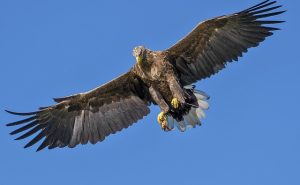
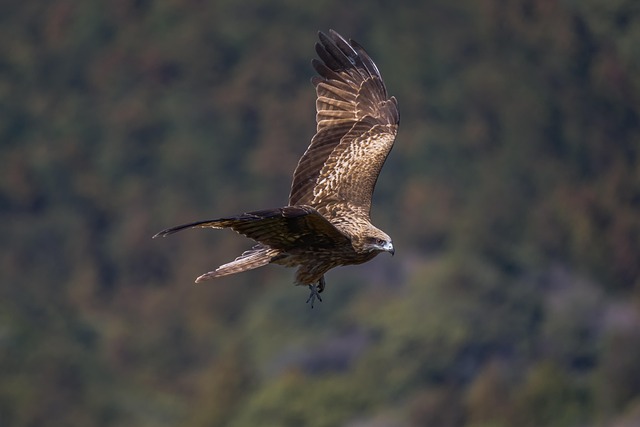
The Black Kite is one of the most widespread and adaptable birds of prey in the world. Often seen gliding effortlessly high in the sky with its forked tail and long wings, this elegant raptor has mastered the art of soaring on warm air currents. Unlike many other birds of prey that prefer remote wilderness, the Black Kite thrives near human settlements, rivers, and open landscapes. Its keen eyesight, impressive flying ability, and opportunistic feeding habits make it a fascinating bird for birdwatchers and nature enthusiasts alike.
Fun Facts
- The Black Kite is among the most common birds of prey on Earth.
- It can stay in the air for long periods by gliding on thermal air currents without flapping its wings.
- These birds are known to steal food from other birds in mid-air, a behavior called kleptoparasitism.
- In many cities across Asia and Africa, Black Kites are commonly seen circling above markets, rivers, and garbage areas searching for food.
- Their distinct forked tail helps birdwatchers easily identify them while they soar.
- Some Black Kites migrate thousands of kilometers between breeding and wintering areas.
Scientific Information
- Scientific Name: Milvus migrans
- Family: Accipitridae (hawks, eagles, and kites)
- Order: Accipitriformes
- Average Length: 48–60 cm (19–24 inches)
- Wingspan: 130–155 cm (51–61 inches)
- Weight: 500–1000 grams
- Conservation Status: Least Concern according to the International Union for Conservation of Nature
The Black Kite is widely distributed across Europe, Asia, Africa, and Australia, making it one of the most successful raptors globally.
Habits & Behavior
Black Kites are highly adaptable and intelligent birds. They prefer habitats near rivers, lakes, coastal areas, open fields, and cities where food sources are plentiful.
These birds are opportunistic feeders, meaning they eat a wide variety of food such as:
- Small mammals
- Fish
- Birds
- Reptiles
- Insects
- Carrion (dead animals)
- Human food waste
Black Kites are excellent fliers, often seen soaring in large circles high in the sky. They rarely waste energy flapping their wings and instead glide smoothly using rising warm air currents.
During the breeding season, they build large stick nests high in tall trees or cliffs. The female usually lays 2–3 eggs, and both parents help care for the chicks.
Is the Black Kite a National Bird?
The Black Kite is not the national bird of any country. However, it is a very common raptor across Asia and Africa and is especially familiar in countries like India, Pakistan, and Bangladesh, where it often lives close to human settlements.