Berylline Hummingbird: The Emerald Jewel of Mountain Skies
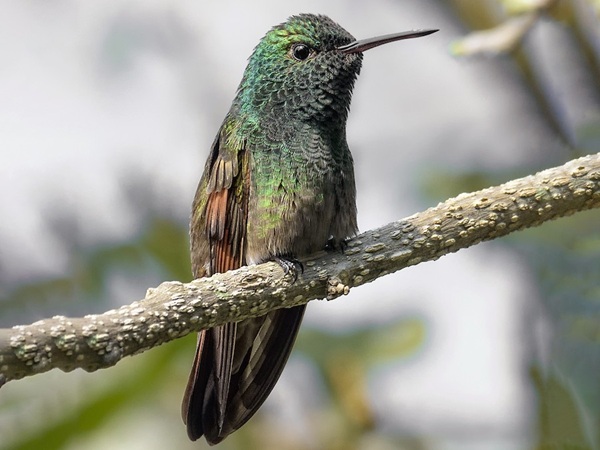
The Berylline Hummingbird (Berylline Hummingbird) is a dazzling bird that seems to carry the colors of a tropical forest in its feathers. With its shimmering green body and flashes of reddish tones on its wings, this hummingbird is a true visual delight. Found mainly in the highlands of Central America and parts of Mexico, it brings life and energy to forests, gardens, and mountain slopes. Its rapid wingbeats and love for nectar make it one of nature’s most fascinating pollinators.
Fun Facts
- The name “Berylline” comes from the gemstone beryl, reflecting its sparkling green coloration.
- It can beat its wings up to 50–80 times per second!
- Plays a crucial role in pollinating many native flowers.
- Unlike some hummingbirds, it is mostly non-migratory, staying in the same region year-round.
- Males often show a reddish or chestnut tint on their wings and tail, especially visible in sunlight.
Scientific Information
- Scientific Name: Amazilia beryllina
- Family: Trochilidae
- Order: Apodiformes
- Length: 8–10 cm
- Weight: 4–5 grams
- Lifespan: Typically 3–5 years in the wild
- Diet: Nectar, small insects, and spiders
Habits & Behavior
The Berylline Hummingbird is highly energetic and constantly on the move. It feeds primarily on nectar, using its long, slender bill to reach deep into flowers. While feeding, it hovers effortlessly in the air, a signature trait of hummingbirds.
These birds are also territorial, especially around feeding areas. Males will aggressively defend flower patches or feeders from intruders, often chasing away other hummingbirds or even larger birds.
During the breeding season, females take full responsibility for nest building and raising chicks. They construct tiny, cup-shaped nests using plant fibers, moss, and spider silk, usually placed on thin branches for safety.
Berylline Hummingbirds are well adapted to mountainous environments, often found at elevations between 600 and 2,500 meters. Their ability to thrive in such regions makes them a common sight in cloud forests and highland gardens.
Why They Matter
Beyond their beauty, Berylline Hummingbirds play a vital ecological role. By transferring pollen from one flower to another, they support plant reproduction and help maintain biodiversity in their habitats.