Greater Coucal: The Mysterious Crow-Pheasant of the Tropical Wetlands
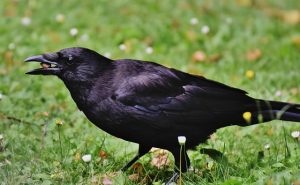
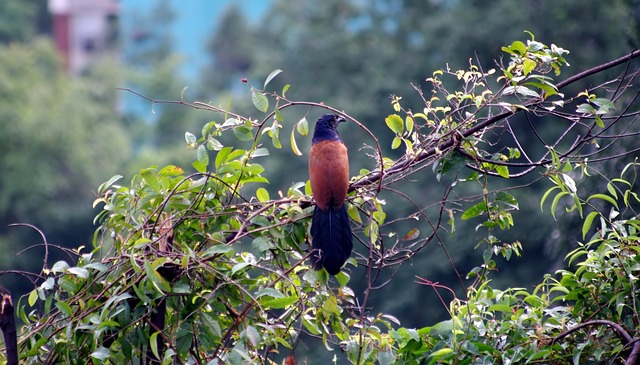
The Greater Coucal is a large, striking bird known for its deep, resonant calls and secretive nature. Often seen moving quietly through dense bushes, reeds, and wetlands, this bird is famous for its glossy black body, rich chestnut wings, and bright red eyes. Despite being able to fly, the Greater Coucal prefers hopping and climbing through vegetation.
It is widely found across South Asia and Southeast Asia and is very familiar in rural areas, villages, and forest edges. In many cultures, its call is believed to be a sign of rain or a change in weather, making it a bird surrounded by folklore and mystery.
Fun Facts
- The Greater Coucal is also called Crow Pheasant because it looks like a mix of a crow and a pheasant.
- Its deep “coop-coop-coop” call can be heard early in the morning and before rain.
- Unlike many cuckoos, the Greater Coucal builds its own nest instead of laying eggs in other birds’ nests.
- It often walks on the ground and climbs bushes instead of flying long distances.
- The bird helps farmers by eating insects, snails, and small pests.
- In some regions, people believe seeing a Greater Coucal brings good luck.
Scientific Information
- Common Name: Greater Coucal
- Scientific Name: Centropus sinensis
- Family: Cuculidae
- Order: Cuculiformes
- Class: Aves
- Diet: Omnivore (insects, snails, small reptiles, seeds, fruits)
- Lifespan: Around 6–8 years in the wild
- Size: 48–55 cm long
- Wingspan: About 50–60 cm
- Conservation Status: Least Concern (IUCN)
Habits & Behavior
The Greater Coucal prefers wetlands, forests, grasslands, mangroves, and village areas where there is plenty of thick vegetation. It is usually seen alone or in pairs rather than in large flocks.
This bird is mostly active during the day, especially in the early morning and late afternoon. It moves slowly and carefully through bushes while searching for food. Its diet includes insects, caterpillars, snails, frogs, lizards, and sometimes small birds or eggs.
Unlike many cuckoo species, the Greater Coucal builds a nest made of grass and leaves hidden inside thick bushes. Both male and female help in building the nest and raising the chicks.
The Greater Coucal is known for its deep, booming call, which can travel a long distance. This call is often heard before rainfall, which is why many people think the bird can predict weather.