Atlantic Puffin – The Colorful “Clown of the Sea”
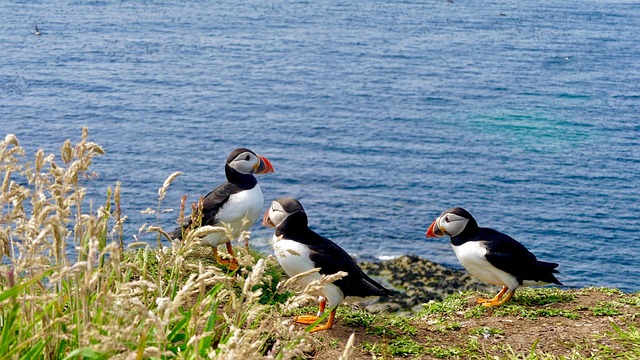
The Atlantic Puffin is one of the most charming and recognizable seabirds in the world. With its striking black-and-white plumage and vibrant, multi-colored beak, this small bird has earned the nickname “Clown of the Sea.” Found along the rugged coastlines of the North Atlantic, Atlantic Puffins spend most of their lives far out at sea, only returning to land during the breeding season. Their unique appearance, playful behavior, and impressive diving skills make them a favorite among bird lovers and wildlife enthusiasts.
Fun Facts
- Atlantic Puffins can dive up to 60 meters (200 feet) underwater to catch fish.
- They use their wings like flippers, “flying” underwater with incredible agility.
- Puffins can carry multiple fish at once in their beaks thanks to a special hinge mechanism.
- Their colorful beak becomes brighter during the breeding season and fades in winter.
- They are monogamous and often return to the same mate and burrow each year.
- Puffins are excellent fliers, flapping their wings up to 400 times per minute.
- A baby puffin is called a “puffling.”
Scientific Information
- Scientific Name: Fratercula arctica
- Family: Alcidae
- Order: Charadriiformes
- Class: Aves
- Average Length: 25–30 cm
- Wingspan: 47–63 cm
- Weight: 300–500 grams
- Lifespan: Up to 20 years or more
- Habitat: Coastal cliffs, offshore islands, and open ocean in the North Atlantic
Habits & Behavior
Atlantic Puffins are highly adapted to life at sea. They spend most of the year floating on ocean waters, diving for small fish like sand eels and herring. Using their powerful wings, they propel themselves underwater with remarkable speed and precision.
During the breeding season, puffins gather in large colonies on rocky cliffs and grassy islands. They dig burrows in the soil or use crevices among rocks to lay a single egg. Both parents take turns incubating the egg and feeding the chick.
Puffins are social birds and communicate using a variety of low growls and grunting sounds, especially in crowded colonies. Despite their somewhat clumsy appearance on land, they are graceful in the air and incredibly agile in the water.