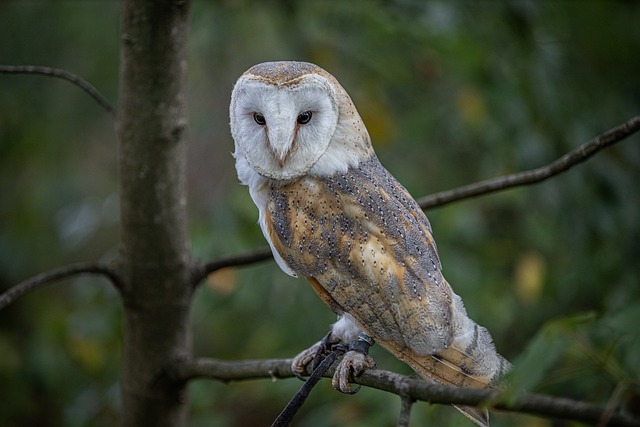
The Silent Night Hunter: The World of the Barn Owl
The Barn Owl is one of the most enchanting and widely recognized owls in the world. Known for its heart-shaped face and ghostly white appearance, this nocturnal bird glides silently through the night in search of prey. Found across continents—from rural farmlands to open countryside—the Barn Owl has long been associated with mystery, folklore, and natural elegance. Its exceptional hunting abilities and unique adaptations make it a fascinating subject for wildlife enthusiasts and researchers alike.
Fun Facts
- Barn Owls are often called “ghost owls” due to their pale color and silent flight.
- They can locate prey in complete darkness using their incredible hearing.
- Unlike many birds, their ears are unevenly placed, helping them detect sound direction precisely.
- A single Barn Owl can eat over 1,000 rodents in a year—making them natural pest controllers!
- Their screeching call is quite eerie and very different from the typical “hoot” of other owls.
Scientific Information
- Scientific Name: Tyto alba
- Family: Tytonidae
- Class: Aves
- Order: Strigiformes
- Lifespan: Typically 4–10 years in the wild
- Wingspan: 80–95 cm
- Weight: 400–700 grams
Habits & Behavior
Barn Owls are primarily nocturnal hunters, becoming active at dusk. They prefer open habitats such as grasslands, marshes, and agricultural fields where prey is abundant.
Their most remarkable feature is their silent flight. Specialized feathers reduce noise, allowing them to sneak up on prey undetected. Combined with extraordinary hearing, they can pinpoint even the faintest rustle of a mouse hidden under grass or snow.
Barn Owls mainly feed on small mammals like rodents, shrews, and voles. They swallow their prey whole and later regurgitate indigestible parts like bones and fur in the form of pellets.
When it comes to nesting, they often choose barns, tree cavities, abandoned buildings, or cliffs, which is how they got their name. They are generally monogamous and may reuse nesting sites year after year.
Despite their somewhat spooky reputation, Barn Owls play a crucial role in maintaining ecological balance by controlling pest populations. Their quiet presence is a sign of a healthy ecosystem.