European Badger | Nature’s Nocturnal Tunnel Master
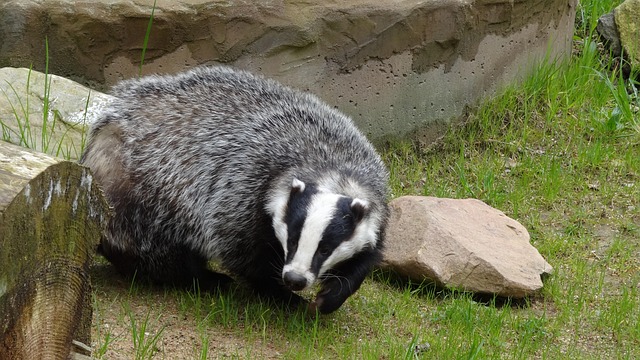
The European Badger is one of Europe’s most fascinating and elusive mammals. Known for its distinctive black-and-white striped face and powerful digging skills, this nocturnal creature lives a quiet life hidden beneath the earth. Often active under the cover of darkness, the European badger plays an important role in maintaining ecological balance. Despite its shy nature, it is highly intelligent, social, and full of intriguing behaviors that make it a true wonder of the wild.
Fun Facts
- European badgers live in underground homes called “setts”, which can be used for generations!
- They are mostly nocturnal, coming out at night to search for food.
- Badgers are very social and often live in family groups known as clans.
- Some setts are so large they have multiple entrances and chambers!
- They love cleanliness and even have separate toilet areas away from their living space.
- Their strong claws make them excellent diggers, capable of creating complex tunnel systems.
Scientific Information
- Scientific Name: Meles meles
- Family: Mustelidae (the weasel family)
- Class: Mammalia
- Diet: Omnivorous (worms, insects, fruits, small animals)
- Lifespan: Around 5–14 years in the wild
- Habitat: Woodlands, grasslands, and farmlands across Europe and parts of Asia
Habits & Behavior
The European badger is primarily a nocturnal forager, spending its nights searching for food and its days resting underground. It relies heavily on its strong sense of smell to locate earthworms, which make up a large part of its diet.
Badgers are highly social animals, often living in organized groups with well-defined territories. They communicate using scent markings and a variety of vocal sounds. Their underground homes, or setts, are carefully maintained and expanded over time.
During colder months, European badgers may reduce their activity and spend more time inside their setts, but they do not fully hibernate. Instead, they conserve energy and venture out only when necessary.