Whispers of the Night: Discovering the Secret Life of the Civet
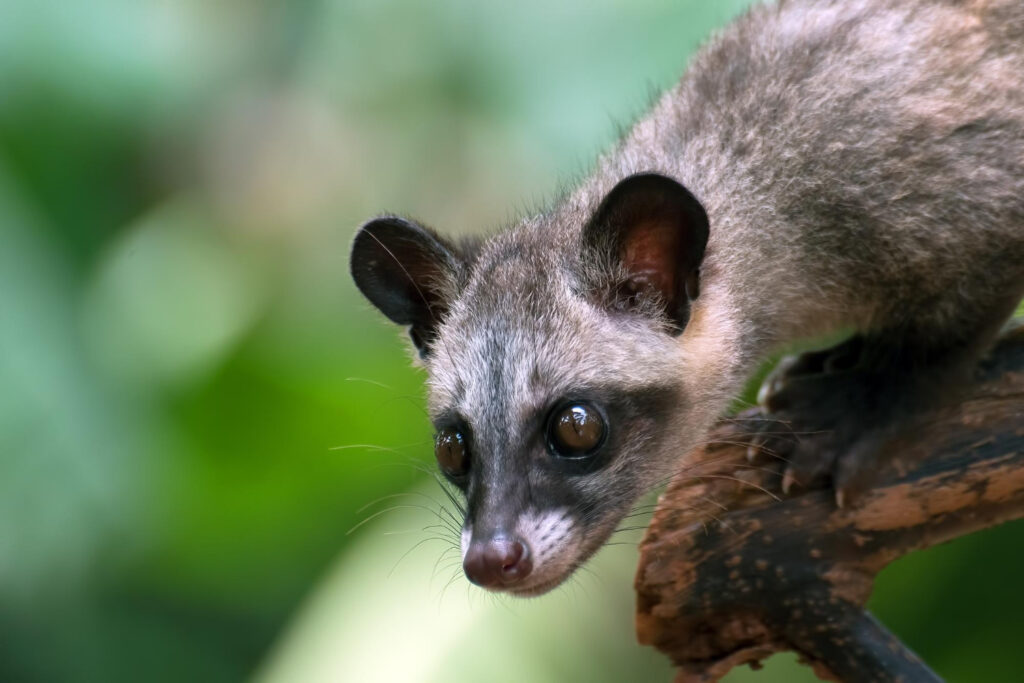
The mysterious Civet is a shy, nocturnal mammal that quietly roams forests, grasslands, and even urban edges across Asia and Africa. Often mistaken for a cat, the civet actually belongs to a different family and has its own unique charm. With its keen senses, stealthy movements, and fascinating behaviors, the civet plays an important role in maintaining ecological balance—especially as a seed disperser in many ecosystems. Despite its elusive nature, this intriguing creature has captured human curiosity for centuries.
Fun Facts
- Civets are famous for producing a musky scent once used in perfumes.
- The Asian Palm Civet is known for its role in producing kopi luwak coffee.
- Civets are excellent climbers and spend much of their time in trees.
- They have a varied diet, including fruits, insects, and small animals.
- Civets help forests grow by spreading seeds through their droppings.
Scientific Info
- Scientific Family: Viverridae
- Common Example: African Civet
- Scientific Name: Civettictis civetta
- Class: Mammalia
- Order: Carnivora
- Lifespan: Around 15–20 years (in captivity)
- Habitat: Forests, savannas, and sometimes near human settlements
Habits & Behavior
Civets are primarily nocturnal, meaning they are most active during the night. During the day, they rest in dense vegetation, tree hollows, or other sheltered areas. They are generally solitary animals, coming together only during mating periods.
These animals are known for their territorial nature, marking their surroundings with scent glands to communicate with others. Civets move with quiet precision, making them skilled hunters of small prey such as rodents, birds, and insects.
Despite being classified under the order Carnivora, civets are actually omnivorous, often enjoying fruits and berries. This diet makes them vital contributors to their ecosystem by aiding in seed dispersal.
Civets are also adaptable, which allows some species to survive even in areas close to human habitation—though they prefer to remain hidden and avoid contact.