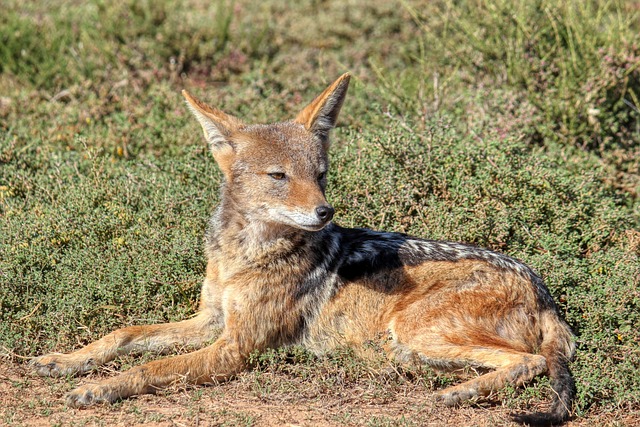
The Mysterious Jackal – Nature’s Clever Survivor
The jackal is one of the most intelligent and adaptable wild animals found across Africa, Asia, and parts of Europe. Known for its sharp senses, haunting nighttime calls, and remarkable survival skills, the jackal has fascinated humans for centuries. These medium-sized members of the dog family are skilled hunters, clever scavengers, and important contributors to the ecosystem. Whether roaming open grasslands, forests, deserts, or even areas close to human settlements, jackals thrive in environments where many other predators struggle to survive.
Fun Facts
- Jackals belong to the same family as wolves, foxes, and domestic dogs.
- They are famous for their eerie howling and yelping sounds heard mostly at night.
- Jackals are highly adaptable and can survive in deserts, forests, grasslands, and villages.
- Some jackal species form lifelong monogamous pairs.
- They are both hunters and scavengers, meaning they eat animals they catch as well as leftovers from larger predators.
- Jackals can run very fast and are excellent at chasing prey.
- Ancient Egyptian mythology featured the jackal-headed god Anubis, associated with the afterlife.
- Golden Jackals are known to communicate using body language, scent marking, and vocal calls.
- Jackals often work together in pairs to hunt small animals.
- They help keep ecosystems clean by eating carrion and waste.
Scientific Information
| Category | Information |
| Common Name | Jackal |
| Scientific Classification | Genus Canis |
| Family | Canidae |
| Order | Carnivora |
| Average Lifespan | 8–12 years in the wild |
| Diet | Omnivorous |
| Habitat | Grasslands, forests, deserts, wetlands, and rural areas |
| Size | 70–105 cm (27–41 inches) long |
| Weight | 6–15 kg depending on species |
| Main Species | Golden Jackal, Black-backed Jackal, Side-striped Jackal |
| Conservation Status | Mostly Least Concern |
Types of Jackals
Golden Jackal
The most widespread species, found in parts of Asia, the Middle East, and Europe. It has golden-brown fur and remarkable adaptability.
Black-backed Jackal
Recognized by the dark “saddle” pattern on its back. This species mainly lives in eastern and southern Africa.
Side-striped Jackal
Known for the pale stripe running along its sides. It prefers woodland and moist savanna habitats in Africa.
Habits & Behavior
Highly Intelligent Survivors
Jackals are extremely clever animals that quickly adapt to changing environments. They use strategy, teamwork, and stealth to survive.
Mostly Nocturnal
They are usually active during the evening and nighttime, when temperatures are cooler and hunting becomes easier.
Omnivorous Diet
Jackals eat almost anything available, including:
- Small mammals
- Birds
- Reptiles
- Fruits
- Insects
- Carrion
Their flexible diet helps them survive during difficult conditions.
Excellent Communicators
Jackals communicate using:
- Howls
- Yelps
- Whines
- Body posture
- Scent marking
Their loud calls help family members stay connected across long distances.
Strong Family Bonds
Many jackals live in pairs and raise their pups together. Older siblings may also help care for younger pups.
Skilled Hunters
Although small compared to wolves, jackals are fast and agile hunters. They often hunt rodents, rabbits, birds, and reptiles.
Territorial Animals
Jackals defend their territories fiercely against intruders using vocal warnings and scent markings.
Why Jackals Are Important
Jackals play a vital role in maintaining ecological balance. By hunting pests and cleaning up dead animals, they help reduce disease and keep ecosystems healthy. Despite sometimes being misunderstood, jackals are valuable and fascinating creatures deserving protection and respect.
Final ThoughtsThe jackal is far more than a simple wild canine. It is a symbol of intelligence, adaptability, and survival. From ancient legends to modern wildlife documentaries, jackals continue to captivate nature lovers around the world with their mysterious calls and remarkable behavior.