The Playful Otter: Nature’s Clever and Energetic Swimmer
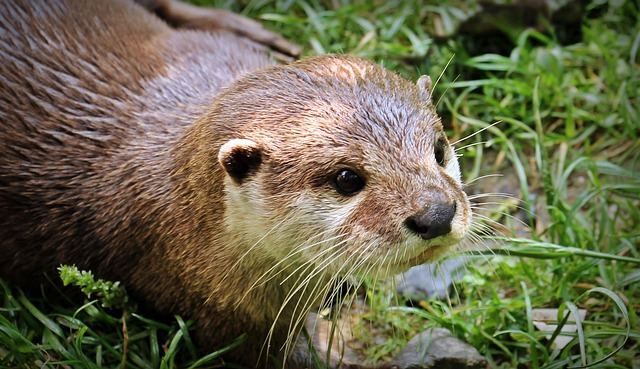
The Otter is one of the most playful and intelligent animals found in rivers, lakes, wetlands, and coastal waters around the world. Known for their sleek bodies, thick fur, and excellent swimming skills, otters are expert hunters both in water and on land. These fascinating mammals belong to the weasel family and are admired for their social behavior, playful nature, and strong family bonds.
Fun Facts
- Otters can hold their breath underwater for several minutes.
- Sea otters use rocks as tools to break open shellfish.
- Some otters hold hands while sleeping to avoid drifting apart.
- Otters have extremely dense fur that keeps them warm in cold water.
- They are very playful and often slide on mud or snow for fun.
- Baby otters are called “pups.”
- Otters communicate through whistles, chirps, growls, and body movements.
- There are 13 different species of otters around the world.
Scientific Information
| Category | Information |
| Common Name | Otter |
| Scientific Name | Subfamily Lutrinae |
| Animal Type | Mammal |
| Family | Mustelidae |
| Habitat | Rivers, lakes, wetlands, coasts, and oceans |
| Diet | Carnivore |
| Average Lifespan | 8–16 years |
| Weight | 3–45 kg depending on species |
| Length | 60–180 cm |
| Native Region | Found worldwide except Australia and Antarctica |
| Conservation Status | Varies by species |
Habits & Behavior
Otters are highly active and social animals. Most species spend a large part of their lives in water, where they hunt fish, crabs, frogs, and other aquatic animals. Their streamlined bodies, webbed feet, and powerful tails make them excellent swimmers.
Many otter species live in family groups and enjoy playing together. They often wrestle, chase each other, and slide down muddy riverbanks. Scientists believe this playful behavior helps young otters develop survival skills.
Otters are usually more active during dawn and dusk. They build dens called “holts” near the water’s edge, often hidden among rocks, roots, or vegetation. Some species, like the Sea Otter, spend most of their lives floating in the ocean, while others live mainly in freshwater habitats.
Mother otters take great care of their pups, teaching them how to swim, dive, and hunt for food.
Why Otters Are Important
Otters play an important role in maintaining healthy aquatic ecosystems. As predators, they help control fish and crustacean populations, keeping nature balanced. Their presence is often a sign of clean and healthy water environments.
Unfortunately, many otter species face threats from habitat destruction, pollution, illegal hunting, and climate change. Conservation efforts are helping protect these amazing animals and their habitats.
The Otter is a remarkable animal known for its intelligence, agility, and playful personality. Whether swimming gracefully through rivers or floating peacefully in the sea, otters continue to capture the hearts of wildlife lovers around the world. Protecting these beautiful creatures helps preserve the health and beauty of our natural ecosystems.