Graceful Ibis Birds: Nature’s Elegant Wetland Wanderers
The fascinating Ibis is a long-legged wading bird admired for its curved bill, graceful movements, and striking appearance. Found in wetlands, marshes, riverbanks, and coastal regions across the world, ibises play an important role in maintaining healthy ecosystems. Their unique beaks help them search through mud and shallow water for food, making them expert hunters in wet environments. From the dazzling scarlet-colored species to the sacred birds once worshipped in ancient civilizations, ibises are among the most captivating birds on Earth.
Fun Facts
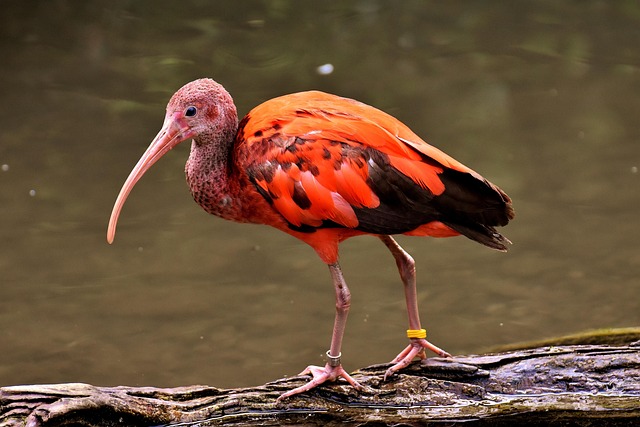
- Some ibis species, like the Scarlet Ibis, have brilliant red feathers that become brighter from their diet rich in crustaceans.
- The Sacred Ibis was considered holy in Ancient Egypt and was linked to wisdom and knowledge.
- Ibises use their long curved bills like natural probes to find insects, worms, frogs, and small fish hidden in mud.
- These birds often fly in V-shaped formations, similar to geese, to conserve energy during long flights.
- Many ibis species are highly social and gather in large colonies for feeding and nesting.
- Some ibises can adapt to urban areas and are commonly seen near parks, lakes, and city waterways.
- Their gentle and elegant walking style makes them one of the most recognizable wetland birds in the world.
Scientific Information
| Feature | Details |
| Common Name | Ibis |
| Scientific Family | Threskiornithidae |
| Class | Aves |
| Order | Pelecaniformes |
| Habitat | Wetlands, marshes, lakes, rivers, mangroves, coastal areas |
| Diet | Omnivorous – insects, crustaceans, fish, frogs, worms, seeds |
| Lifespan | Around 15–25 years depending on species |
| Size | 50–110 cm in length |
| Wingspan | Up to 120 cm |
| Conservation Status | Varies by species |
Habits & Behavior of Ibis Birds
Feeding Behavior
Ibises are skilled foragers that use their long curved bills to probe mud and shallow water in search of prey. They rely heavily on touch rather than sight while feeding, allowing them to detect hidden food beneath the surface.
Social Lifestyle
Most ibis species are social birds that live and travel in groups. They often nest together in colonies alongside herons, spoonbills, and egrets. Group living helps protect them from predators.
Flight Patterns
Ibises are strong flyers with steady wingbeats. During migration or long-distance travel, they may form organized V-shaped patterns to reduce air resistance and save energy.
Breeding & Nesting
Ibises usually build nests in trees, shrubs, or reed beds near water. Both parents help incubate the eggs and care for the chicks until they are strong enough to fly.
Communication
These birds communicate using grunts, croaks, and body movements. During breeding season, they may display elaborate courtship behaviors to attract mates.
Environmental Importance
Ibises help control insect and small animal populations in wetlands. Their presence is often considered a sign of a healthy aquatic ecosystem.
The elegant Ibis is a remarkable bird known for its beauty, intelligence, and ecological importance. Whether gliding across wetlands or carefully searching for food in muddy waters, ibises continue to fascinate bird lovers around the globe. Their unique appearance and peaceful nature make them one of the true treasures of wetland wildlife.