Stork: The Elegant Wetland Bird of Grace and Mystery
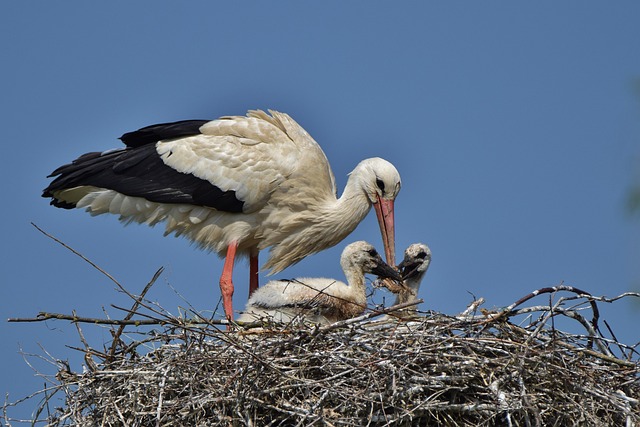
Storks are large, graceful wading birds known for their long legs, long necks, and powerful beaks. Often seen standing silently in wetlands, rivers, and marshes, storks are symbols of peace, patience, and good fortune in many cultures around the world. Their calm presence and slow, elegant movements make them one of the most fascinating birds in the natural world.
Fun Facts
- Storks are famous in folklore for being “baby carriers,” especially the White Stork.
- Many stork species migrate thousands of kilometers between breeding and wintering grounds.
- Storks do not sing like many birds; instead, they communicate by bill-clattering (clicking their beaks).
- Some stork species can live over 20–30 years in the wild.
- They often build large nests on trees, rooftops, and even man-made structures like poles and buildings.
- Storks are generally silent birds, which adds to their calm and mysterious nature.
Scientific Information
- Common Name: Stork
- Family: Ciconiidae
- Order: Ciconiiformes (or Pelecaniformes in modern classification systems)
- Habitat: Wetlands, marshes, rivers, grasslands, and agricultural fields
- Diet: Carnivorous (fish, frogs, insects, small reptiles, and small mammals)
- Body Features: Long legs, long neck, broad wings, and strong straight or slightly curved beaks
- Flight Pattern: Soaring flight using thermal air currents with minimal wing flapping
Habits of Storks
- Storks prefer living near water bodies where food is abundant.
- They are mostly active during the day (diurnal birds).
- Many species migrate seasonally in large groups.
- They often roost and nest in colonies, especially during breeding season.
- Storks are patient hunters, often standing still for long periods before catching prey.
Behavior of Storks
- Storks are generally quiet and solitary outside breeding seasons.
- During courtship, they perform synchronized bill-clattering and graceful movements.
- Both male and female storks share responsibilities in nest building and raising chicks.
- They are highly territorial during breeding time and protect their nests strongly.
- Young storks stay in nests for several weeks until they are strong enough to fly.
Storks are truly one of nature’s most elegant birds—quiet, graceful, and deeply connected to wetland ecosystems. Their presence often indicates a healthy natural environment.