Toucan: The Colorful Guardian of the Rainforest
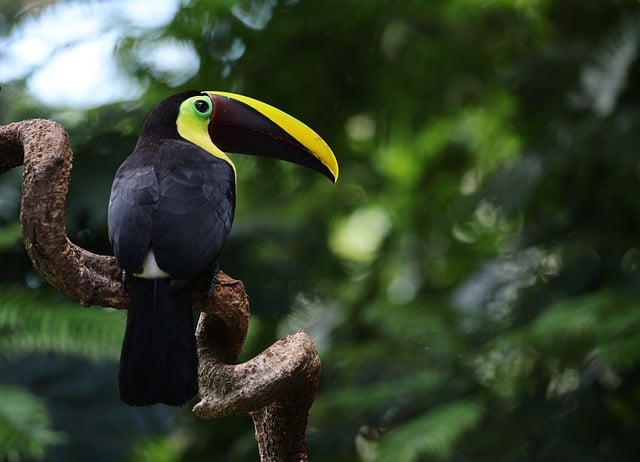
The Toucan is one of the most eye-catching birds in the world, instantly recognized by its oversized, brightly colored bill. Found in the lush tropical forests of Central and South America, toucans bring life and color to the canopy. Their playful behavior, unique calls, and striking appearance make them a favorite among bird lovers and wildlife enthusiasts alike.
Fun Facts
- A toucan’s bill can be almost half the length of its body, yet it is surprisingly lightweight.
- Despite their large beaks, toucans mainly eat fruits, especially figs.
- They are not strong flyers—instead, they prefer hopping between branches.
- Their colorful bills help with thermoregulation, acting like a natural cooling system.
- Toucans often nest in tree cavities, sometimes using old woodpecker holes.
- They are social birds and are often seen in small groups.
Scientific Info
- Family: Ramphastidae
- Order: Piciformes
- Habitat: Tropical and subtropical rainforests
- Diet: Primarily frugivorous (fruit-eating), but may also eat insects, eggs, and small animals
- Lifespan: Around 15–20 years in the wild
- Notable Species: Toco Toucan (the largest and most famous toucan species)
Habits & Behavior
Toucans are diurnal birds, meaning they are active during the day. They spend most of their time in the upper canopy, searching for fruit and socializing with other toucans. Their large bills are not just for show—they help them reach fruit on thin branches that cannot support their weight.
These birds communicate using a series of croaks, clicks, and rattling calls, which echo through the forest. At night, toucans tuck their bills under their wings and curl into a compact shape to sleep comfortably in tree cavities.
Toucans play an important role in the ecosystem as seed dispersers, helping maintain the health and diversity of rainforest vegetation.