Grouse: The Hardy Ground-Dwelling Bird of Forests and Highlands
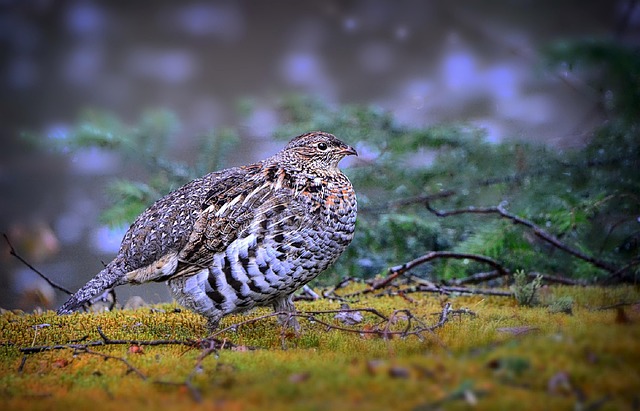
Grouse are fascinating ground-dwelling birds known for their strong bodies, cryptic plumage, and remarkable survival skills in some of the world’s harshest environments. Found across North America, Europe, and Asia, these birds thrive in forests, tundra, moorlands, and mountainous regions. Their camouflage allows them to blend seamlessly into their surroundings, making them difficult to spot despite their often large size. Grouse are also famous for their unique courtship displays, which include elaborate dances, vocalizations, and drumming sounds that attract potential mates.
Fun Facts
- Grouse can survive extremely cold winters by burrowing into snow for warmth and protection.
- Male grouse perform spectacular mating displays called “lekking” in some species.
- The Ruffed Grouse creates a distinctive drumming sound by rapidly beating its wings.
- Many grouse species have feathered legs and toes that act like natural snowshoes.
- Grouse chicks can leave the nest and follow their mother shortly after hatching.
- Their mottled feathers provide excellent camouflage against predators.
- Some grouse species change feather coloration slightly with the seasons to improve concealment.
- Grouse are among the most important game birds in many parts of the world.
Scientific Information
Common Name: Grouse
Order: Galliformes
Family: Phasianidae
Subfamily: Tetraoninae
Class: Aves
Diet: Omnivorous
Average Length: 30–95 cm (12–37 inches), depending on species
Average Weight: 300 g–6.5 kg (0.7–14 lbs)
Lifespan: Typically 3–10 years in the wild
Habitat: Forests, woodlands, tundra, heathlands, moorlands, and mountain regions
Distribution: North America, Europe, and Asia
Habits & Behavior
Grouse spend most of their lives on the ground, where they forage for food and seek shelter from predators. They feed on a variety of plant materials, including buds, leaves, berries, seeds, and insects. During the breeding season, males become highly territorial and engage in impressive courtship displays to attract females.
Although grouse are capable of strong, rapid flight, they prefer walking and running through vegetation. When startled, they often explode into flight with a loud burst of wingbeats that can surprise both predators and observers.
In winter, many grouse species adapt to harsh conditions by growing feathered feet and seeking shelter beneath snow. Their exceptional camouflage helps them avoid predators such as foxes, hawks, eagles, and wildcats.
Grouse are generally solitary or found in small family groups, though some species gather in larger flocks during colder months. Their resilience, adaptability, and fascinating behaviors make them one of the most remarkable bird groups inhabiting northern and mountainous ecosystems.