Partridge: The Agile Ground Bird of Fields, Forests, and Grasslands
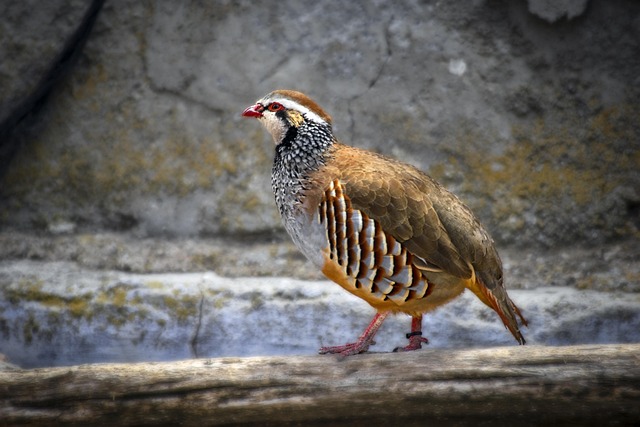
Partridges are charming ground-dwelling birds known for their plump bodies, swift running abilities, and distinctive calls. Found across Europe, Asia, Africa, and parts of the Middle East, these birds thrive in grasslands, farmlands, scrublands, and open woodlands. Their earthy-colored plumage provides excellent camouflage, helping them blend into their surroundings and avoid predators. Although they can fly when necessary, partridges prefer to stay on the ground, where they forage for food and move with remarkable speed. Their social nature and adaptability have made them one of the most recognizable game birds in many regions of the world.
Fun Facts
- Partridges prefer running over flying and can sprint surprisingly fast when threatened.
- Many species live in family groups called “coveys.”
- Their mottled brown and gray feathers help them blend perfectly into grasslands and fields.
- Partridge chicks are highly independent and can leave the nest shortly after hatching.
- These birds are featured in the famous Christmas song “The Twelve Days of Christmas.”
- Partridges communicate using a variety of whistles, chirps, and calls.
- They can fly explosively when startled, creating a sudden burst of wing noise.
- Some species are capable of surviving in very dry and harsh environments.
Scientific Information
Common Name: Partridge
Order: Galliformes
Family: Phasianidae
Class: Aves
Diet: Omnivorous
Average Length: 25–40 cm (10–16 inches)
Average Weight: 300–700 grams (0.7–1.5 lbs)
Lifespan: 3–8 years in the wild
Habitat: Grasslands, agricultural fields, scrublands, open forests, and semi-arid regions
Distribution: Europe, Asia, Africa, and the Middle East
Habits & Behavior
Partridges spend most of their time on the ground, searching for seeds, grains, berries, shoots, insects, and other small invertebrates. Their strong legs make them excellent runners, allowing them to quickly escape danger without taking flight.
These birds are generally social and often form small groups, especially outside the breeding season. During nesting periods, pairs become more territorial and protective of their nesting sites. Nests are usually shallow depressions hidden among grasses or dense vegetation, providing protection for eggs and chicks.
Partridges rely heavily on camouflage to avoid predators such as foxes, hawks, eagles, and snakes. When danger is very close, they burst into rapid flight with loud wingbeats before quickly returning to cover.
Most species are active during the day, spending mornings and evenings feeding while resting in shaded areas during the hottest parts of the day. Their adaptability to a variety of habitats and climates has helped partridges thrive across much of the world.
With their distinctive calls, social behavior, and impressive survival skills, partridges remain one of the most fascinating and widely recognized game birds on Earth.