Hoopoe: The Crowned Bird of Beauty and Mystery
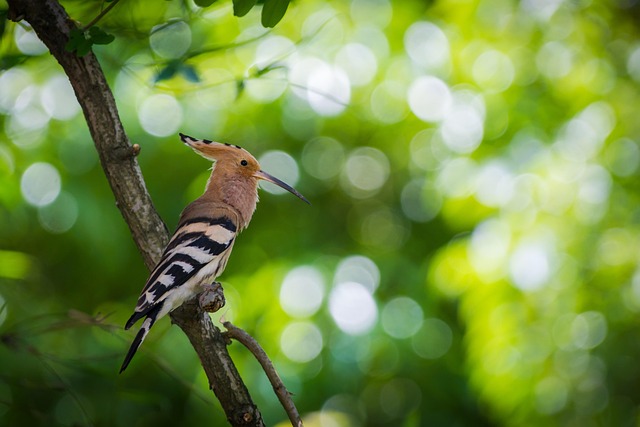
The Hoopoe is one of the world’s most striking and recognizable birds, famous for its elegant crown-like crest and unique black-and-white striped wings. Found across Europe, Asia, and Africa, this colorful bird has fascinated people for centuries and appears in many cultural stories and legends. Its distinctive “hoo-poo” call inspired its common name. With its graceful appearance and unusual feeding habits, the Hoopoe is truly a remarkable member of the bird kingdom.
Fun Facts
- The Hoopoe gets its name from its distinctive “hoo-poo” call.
- It can raise and lower its beautiful fan-shaped crest depending on its mood and surroundings.
- Hoopoes are known for their striking cinnamon-colored bodies and zebra-striped wings.
- They use their long, curved beaks to probe the ground for insects and larvae.
- Female Hoopoes produce a strong-smelling secretion while nesting, which helps deter predators.
- The Hoopoe is the national bird of Israel.
- Ancient civilizations often considered the Hoopoe a symbol of wisdom and virtue.
- Hoopoes can be found in a wide variety of habitats, including grasslands, orchards, and savannas.
Scientific Information
| Category | Information |
| Common Name | Hoopoe |
| Scientific Name | Upupa epops |
| Family | Upupidae |
| Order | Bucerotiformes |
| Class | Aves |
| Diet | Insects, larvae, worms, small reptiles, and seeds |
| Length | 25–32 cm (10–13 inches) |
| Wingspan | 42–46 cm (16.5–18 inches) |
| Weight | 46–89 grams |
| Lifespan | Up to 10 years in the wild |
| Conservation Status | Least Concern (IUCN) |
Habits & Behavior
The Hoopoe is primarily a ground-feeding bird that spends much of its day searching for food. Using its long, slender bill, it probes into soil, leaf litter, and cracks in the ground to locate insects and other small prey. It often opens its bill underground to capture hidden food.
Hoopoes are generally solitary or found in pairs, especially during the breeding season. They prefer open landscapes with scattered trees, where they can forage easily while remaining alert to predators.
During courtship, males perform aerial displays and offer food to females. Hoopoes typically nest in tree cavities, rock crevices, walls, or abandoned holes. The female incubates the eggs while the male provides food.
When threatened, a Hoopoe may flatten itself against the ground with wings spread wide, making it harder for predators to recognize. Its unique crest is also used for communication, displaying excitement, alarm, or curiosity.
Although they are not highly social birds, Hoopoes are known for their distinctive calls and fascinating behaviors, making them a favorite among birdwatchers and nature enthusiasts around the world.