Waterhen – The Secretive Wetland Wanderer with Graceful Steps
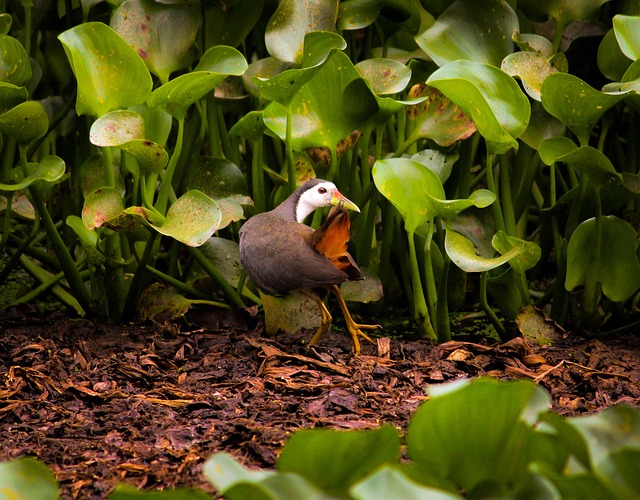
The Waterhen is a fascinating wetland bird known for its elegant movements, long toes, and remarkable ability to navigate marshes, ponds, and reed-filled waterways. Although often shy and secretive, Waterhens are surprisingly adaptable and can be found in natural wetlands as well as parks, rice fields, and urban lakes. Their loud calls, quick running ability, and confident swimming make them one of the most recognizable birds of freshwater habitats. Whether quietly searching for food along the water’s edge or disappearing into dense vegetation, the Waterhen plays an important role in maintaining the balance of wetland ecosystems.
Fun Facts
- Waterhens have exceptionally long toes that help them walk across floating vegetation without sinking.
- They are excellent swimmers but often prefer running through reeds and marsh plants.
- Despite their cautious nature, Waterhens can become surprisingly bold in parks where they are accustomed to people.
- Their loud, cackling calls are commonly heard at dawn and dusk.
- Both parents usually help build the nest and care for their chicks.
- Newly hatched chicks are covered in soft black down and can swim shortly after hatching.
- Waterhens eat both plants and animals, making them highly adaptable feeders.
- When threatened, they often dash into dense reeds instead of taking flight.
Scientific Information
| Category | Information |
| Common Name | Waterhen |
| Representative Species | Amaurornis phoenicurus (White-breasted Waterhen) |
| Family | Rallidae |
| Order | Gruiformes |
| Class | Aves |
| Diet | Insects, worms, snails, small fish, frogs, seeds, aquatic plants, fruits |
| Length | 30–33 cm (12–13 inches) |
| Weight | 180–320 grams |
| Wingspan | Approximately 45–55 cm |
| Lifespan | Around 6–10 years in the wild |
| Habitat | Wetlands, marshes, ponds, lakes, rivers, rice fields, mangroves, canals, and swamps |
| Distribution | South Asia, Southeast Asia, East Asia, and parts of the Middle East |
Habits & Behavior
Waterhens are active, ground-dwelling wetland birds that spend much of their time walking along muddy shores, floating vegetation, and dense marshes in search of food. Their long legs and oversized toes allow them to move easily across soft ground and aquatic plants with impressive balance.
They are omnivorous, feeding on insects, worms, snails, crustaceans, frogs, small fish, seeds, fruits, and aquatic vegetation. Their varied diet enables them to thrive in a wide range of freshwater environments.
Although capable of flight, Waterhens generally prefer running quickly through reeds and grasses to escape danger. They are naturally cautious and often remain hidden within thick vegetation, emerging into open areas mainly during early morning or late afternoon.
During the breeding season, Waterhens become strongly territorial. They build well-hidden nests among reeds or shrubs close to the water, using grasses and aquatic plants. Both parents share responsibilities for incubating the eggs and caring for the chicks, which are able to swim and forage soon after hatching.
Waterhens communicate using a variety of loud whistles, clucks, croaks, and cackling calls that help maintain contact between family members and defend territories. Their vocalizations are especially noticeable during the breeding season and at dawn or dusk.
Adaptable and resilient, Waterhens can successfully live in both pristine wetlands and human-modified habitats such as rice paddies, reservoirs, canals, and urban parks. Their graceful movements, secretive nature, and ecological importance in controlling insects and dispersing plant seeds make them one of the most interesting birds of freshwater ecosystems.