Munia – The Tiny Seed-Eating Songbird with a Social Spirit
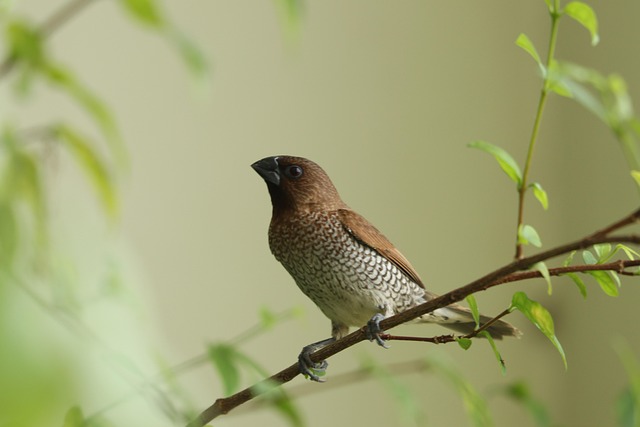
Munias are delightful small songbirds admired for their gentle nature, attractive plumage, and remarkable flocking behavior. Often seen in grasslands, rice fields, gardens, and wetlands, these energetic birds are constantly searching for seeds while moving gracefully through tall grasses and shrubs. Their soft chirps, agile flight, and close-knit social groups make them a favorite among birdwatchers across Asia, Africa, and Australia. Despite their tiny size, Munias are highly adaptable and thrive in both natural habitats and human-altered landscapes, playing an important role in seed dispersal and maintaining healthy grassland ecosystems.
Fun Facts
- Munias are highly social birds and are often found in flocks ranging from a few individuals to several hundred birds.
- They primarily feed on grass seeds, especially ripening rice and other cereal grains.
- Many Munia species build beautifully woven, dome-shaped nests using fine grasses.
- They frequently gather together to roost, helping conserve warmth and stay protected from predators.
- Their short, thick, cone-shaped bills are perfectly adapted for cracking hard seeds.
- Munias communicate using soft chirps and contact calls that help keep flock members together.
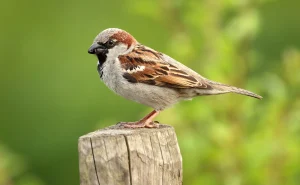
- Some species have striking black-and-white patterns, while others display rich chestnut, brown, or bronze plumage.
- They can adapt well to urban parks, farmland, and gardens if food and shelter are available.
Scientific Information
| Category | Information |
| Common Name | Munia |
| Genus | Lonchura |
| Family | Estrildidae |
| Order | Passeriformes |
| Class | Aves |
| Diet | Grass seeds, grains, rice, small insects, and occasionally berries |
| Length | 10–13 cm (4–5 inches) |
| Weight | 10–20 grams |
| Wingspan | 16–20 cm |
| Lifespan | Around 5–8 years in the wild |
| Habitat | Grasslands, wetlands, rice fields, agricultural land, scrublands, gardens, and open woodlands |
| Distribution | Asia, Africa, Australia, and nearby islands |
Habits & Behavior
Munias are active and highly social birds that spend most of their day foraging for seeds on the ground or among grasses. They usually move in flocks, flying together with quick, undulating movements and maintaining constant communication through soft chirping calls.
Their diet consists mainly of grass seeds, rice grains, millet, and other small seeds. During the breeding season, they may also consume tiny insects and larvae to provide extra protein for growing chicks.
Munias are skilled nest builders, weaving dome-shaped nests from fine grasses, leaves, and plant fibers. These nests are usually hidden in shrubs, reeds, bamboo, or small trees, providing protection from predators and harsh weather. Both males and females participate in building the nest, incubating the eggs, and caring for the young.
Outside the breeding season, Munias often gather in large flocks that feed and roost together. This social behavior improves their chances of finding food and detecting predators. When alarmed, the flock takes flight almost simultaneously, creating a beautiful synchronized display.
Munias are generally peaceful birds and rarely engage in aggressive behavior except when defending their nests. Their adaptability allows them to flourish in both wild habitats and cultivated landscapes, especially in areas with abundant grasses and grain crops.
With their cheerful social nature, attractive plumage, gentle songs, and remarkable flocking behavior, Munias are among the most charming and recognizable seed-eating birds of the Old World, bringing life and movement to fields, wetlands, and gardens wherever they are found.