Cuckoo Bird: Master of Mimicry, Mysterious Calls & Amazing Nesting Behavior
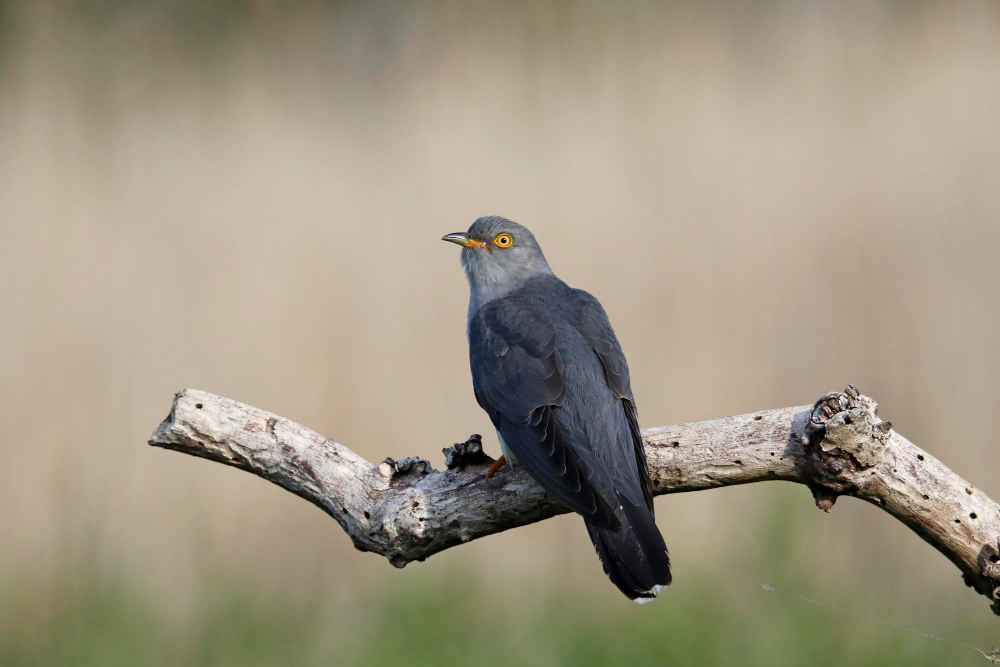
The Cuckoo is one of the world’s most fascinating and recognizable birds, famous for its distinctive “cuck-oo” call and its remarkable breeding strategy. Found across Europe, Asia, Africa, and parts of Australia, cuckoos inhabit forests, woodlands, grasslands, wetlands, and open countryside.
There are more than 140 species of cuckoos worldwide, ranging from small, colorful species to larger birds with impressive vocalizations. While many cuckoos build their own nests, some species—most notably the Common Cuckoo—are well known for laying their eggs in the nests of other birds, allowing foster parents to raise their chicks. This unusual behavior has made the cuckoo one of the most studied birds in the world.
With their slender bodies, long tails, sharp wings, and melodious calls, cuckoos are a welcome sign of spring in many regions and an important part of healthy ecosystems.
Fun Facts
- There are more than 140 species of cuckoos around the world.
- The Common Cuckoo is famous for brood parasitism, laying its eggs in the nests of other bird species.
- The familiar “cuck-oo” call of the male has inspired stories, songs, and folklore for centuries.
- Cuckoos are found on every continent except Antarctica.
- Many cuckoos eat hairy caterpillars that most other birds avoid.
- Some cuckoos migrate thousands of kilometers between their breeding and wintering grounds.
- Cuckoo eggs often resemble the eggs of their host species, helping them avoid detection.
- Although some cuckoos are nest parasites, many tropical cuckoo species build and care for their own nests.
Scientific Information
Common Name: Cuckoo
Scientific Name: Cuculus canorus (Common Cuckoo)
Family: Cuculidae
Order: Cuculiformes
Class: Aves
Diet: Carnivore (mainly insects, caterpillars, beetles, grasshoppers, spiders, and occasionally small reptiles and bird eggs)
Average Length: 32–36 cm (13–14 inches)
Wingspan: 55–65 cm (22–26 inches)
Weight: 90–130 grams
Lifespan: Typically 6–10 years in the wild
Habitat: Woodlands, forests, wetlands, grasslands, farmland, shrublands, and open countryside
Distribution: Europe, Asia, Africa, and parts of Australia, depending on the species
Migration: Many species, including the Common Cuckoo, are long-distance migrants.
Conservation Status: Least Concern (IUCN) for the Common Cuckoo
Habits & Behavior
Cuckoos are generally shy and solitary birds, spending much of their time hidden among trees and dense vegetation. They are most often heard rather than seen, especially during the breeding season when males repeatedly sing their unmistakable “cuck-oo” call to attract females and establish territories.
The Common Cuckoo is famous for its brood parasitic breeding strategy. Instead of building its own nest, the female carefully watches other birds, such as warblers, pipits, and wagtails, before laying a single egg in one of their nests. The foster parents incubate the egg and raise the cuckoo chick as their own. Shortly after hatching, the young cuckoo instinctively pushes the host’s eggs or chicks out of the nest, ensuring it receives all the food and care.
Cuckoos feed mainly on insects, especially caterpillars, including hairy species that many other birds avoid. This makes them beneficial to forests and farmland by helping control insect populations.
Many cuckoo species undertake impressive seasonal migrations, traveling thousands of kilometers between breeding and wintering areas. Their excellent flying ability and remarkable navigation skills allow them to return to the same regions year after year.
Although famous for brood parasitism, not all cuckoos behave this way. Many species build their own nests, incubate their eggs, and care for their chicks like most other birds, demonstrating the remarkable diversity within the cuckoo family.