Egret – The Elegant White Wading Bird of Wetlands and Rivers
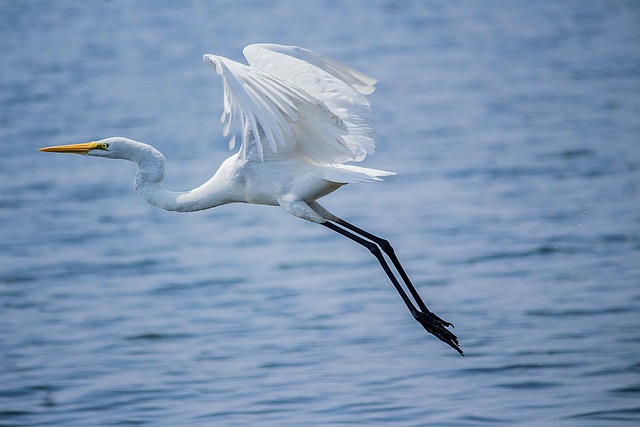
The Egret is one of the most graceful and recognizable water birds in the world. Famous for its pure white plumage, long slender neck, sharp pointed bill, and elegant legs, the egret is a symbol of beauty, patience, and tranquility. Belonging to the heron family, egrets are skilled hunters that silently stalk fish, frogs, insects, and other small aquatic creatures in wetlands, marshes, rivers, lakes, and coastal shores.
Found on every continent except Antarctica, egrets are highly adaptable and thrive in both natural wetlands and human-made habitats such as rice fields, ponds, and reservoirs. Their slow, deliberate movements and spectacular flight make them a favorite among birdwatchers and wildlife photographers.
Fun Facts
- Despite their elegant appearance, egrets are highly efficient predators with lightning-fast strikes.
- Egrets belong to the heron family (Ardeidae).
- During the breeding season, many egret species grow beautiful ornamental plumes, once highly prized in the fashion industry.
- The Great Egret can stand over 1 meter (3.3 feet) tall.
- Egrets often follow grazing animals or farm machinery to catch insects disturbed from the ground.
- They can remain perfectly still for several minutes while waiting for prey.
- Some species use their feet to stir the water and flush out hidden fish.
- Egrets often nest in large colonies called rookeries, alongside herons, ibises, and cormorants.
Scientific Information
| Category | Information |
| Common Name | Egret |
| Family | Ardeidae |
| Order | Pelecaniformes |
| Class | Aves |
| Common Genera | Ardea, Egretta, Bubulcus |
| Well-known Species | Great Egret (Ardea alba), Little Egret (Egretta garzetta), Cattle Egret (Bubulcus ibis), Snowy Egret (Egretta thula) |
| Size | 46–104 cm (18–41 in), depending on species |
| Weight | 230 g–1.5 kg |
| Diet | Fish, frogs, insects, crustaceans, reptiles, small mammals |
| Lifespan | 10–20 years in the wild |
| Habitat | Wetlands, marshes, rivers, lakes, ponds, estuaries, rice fields, coastal shores |
| Distribution | Worldwide except Antarctica |
| Conservation Status | Most common species are Least Concern (IUCN) |
Habits & Behavior
Egrets are patient and stealthy hunters that rely on precision rather than speed. They spend hours wading slowly through shallow water or standing motionless until an unsuspecting fish or frog comes within striking distance. With an incredibly fast jab of their sharp bill, they capture prey in a fraction of a second.
These birds are usually solitary while feeding but often gather in groups where food is plentiful. During the breeding season, they form large nesting colonies known as rookeries, often sharing nesting sites with herons, ibises, spoonbills, and other waterbirds. Their nests are built high in trees or dense shrubs using sticks and twigs.
Egrets communicate using harsh croaks, squawks, and rattling calls, especially around nesting colonies. Although generally quiet while feeding, they become more vocal when defending nests or interacting with mates.
Most egret species fly with their necks folded into an “S” shape, a characteristic shared with other herons. Their broad wings allow for slow, graceful flight over wetlands and coastlines.
Egrets play an important ecological role by helping regulate populations of fish, insects, amphibians, and other small aquatic animals. Their presence is often considered an indicator of healthy wetland ecosystems, making them valuable ambassadors for freshwater and coastal conservation.
Elegant, adaptable, and remarkably skilled hunters, egrets are among the most admired water birds in the world. Whether standing silently in a marsh or soaring above a river at sunset, they embody the beauty and serenity of nature.