Fantail – The Agile Songbird with a Graceful Fan-Shaped Tail
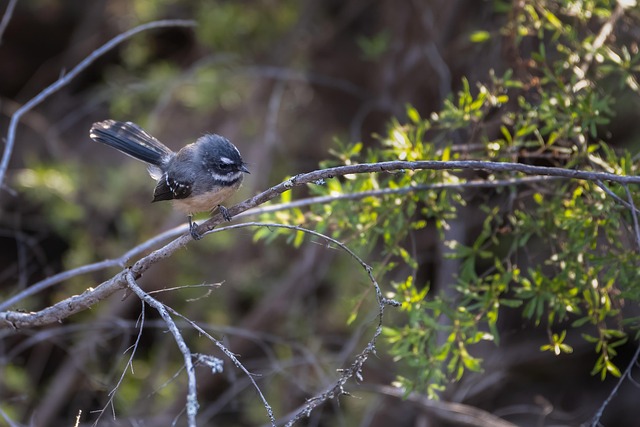
The Fantail is a charming and energetic songbird best known for its distinctive fan-shaped tail and remarkable aerial agility. Constantly darting through forests, gardens, wetlands, and woodlands, fantails are expert insect hunters that perform graceful acrobatic flights while chasing tiny flying insects. Their expressive tail movements, lively behavior, and cheerful songs make them one of the most delightful birds to observe in nature.
Fantails belong to the family Rhipiduridae and are widely distributed across Australia, New Zealand, Southeast Asia, and the Pacific Islands. With over 40 species, including the well-known Willie Wagtail, White-throated Fantail, and New Zealand Fantail, these birds thrive in a variety of habitats. Despite their small size, fantails are fearless, curious, and highly active, often approaching people while searching for insects disturbed by their movements.
Fun Facts
- Fantails are named for their broad, fan-shaped tails, which they constantly spread while hunting and communicating.
- There are more than 40 species of fantails found across Australasia and the Pacific.
- They are exceptional aerial insect hunters, catching insects in mid-flight with remarkable precision.
- Many fantails will follow people or larger animals to catch insects flushed from vegetation.
- Their constantly fanned tail helps improve balance, agility, and maneuverability during flight.
- Some species, such as the New Zealand Fantail, are naturally curious and may come surprisingly close to humans.
- Fantails frequently flick and fan their tails to startle insects into flight, making them easier to catch.
- Their cheerful calls and active behavior make them favorites among birdwatchers and photographers.
Scientific Information
| Category | Information |
| Common Name | Fantail |
| Family | Rhipiduridae |
| Order | Passeriformes |
| Class | Aves |
| Representative Genus | Rhipidura |
| Number of Species | More than 40 species |
| Well-known Species | Willie Wagtail (Rhipidura leucophrys), White-throated Fantail (Rhipidura albicollis), New Zealand Fantail (Rhipidura fuliginosa), Philippine Pied Fantail (Rhipidura nigritorquis) |
| Size | 15–22 cm (6–9 in) |
| Weight | 8–25 g |
| Diet | Flying insects, spiders, larvae, beetles, flies, moths |
| Lifespan | Approximately 5–10 years |
| Habitat | Forests, woodlands, gardens, parks, wetlands, mangroves |
| Distribution | Australia, New Zealand, Southeast Asia, Pacific Islands |
| Conservation Status | Most species are Least Concern (IUCN) |
Habits & Behavior
Fantails are among the most active and agile songbirds in the world. They spend much of the day flying short distances between branches, hovering briefly, and making sudden twists and turns while catching insects in mid-air. Their graceful, fan-shaped tails provide excellent balance and allow for remarkable maneuverability during flight.
Unlike many birds that wait for prey, fantails are constantly on the move. They frequently flick, spread, and wag their tails to flush hidden insects from leaves and branches before quickly pursuing them. Their energetic hunting style makes them highly effective insect predators and beneficial to natural ecosystems.
Fantails are generally seen alone or in pairs, although some species may form small family groups outside the breeding season. During courtship, males perform lively display flights and sing melodious songs to attract females and defend their territories.
Their nests are small, delicate cups woven from fine grasses, moss, bark fibers, and spider silk, usually attached securely to thin branches. Both parents share the duties of incubating the eggs and feeding the chicks until they are ready to leave the nest.
Highly curious by nature, many fantails show little fear of humans and may follow hikers, gardeners, or grazing animals to capture insects disturbed by their movements. Their bold personality, constant activity, and friendly behavior have earned them admiration throughout their range.
Elegant, lively, and endlessly entertaining, fantails are among the most captivating small birds of forests and gardens. Their acrobatic flights, fan-shaped tails, and cheerful songs make them a true delight for bird lovers around the world.