Avocet — The Elegant Wader with the Upturned Bill
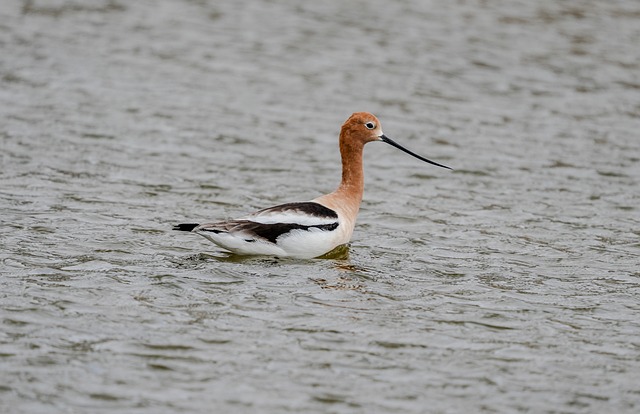
The Avocet is one of the most distinctive and graceful wading birds, instantly recognizable by its long, slender legs, striking black-and-white plumage, and remarkable upturned bill. Often found in shallow wetlands, coastal mudflats, lagoons, and salt marshes, avocets use their unusual bills to sweep through shallow water and soft mud in search of food. Their elegant appearance and fascinating feeding technique make them a memorable sight in wetland habitats around the world.
Fun Facts
- A uniquely curved bill: The avocet’s slender bill curves upward, an unusual adaptation among wading birds.
- A master of shallow waters: It often feeds by sweeping its bill from side to side through shallow water.
- Long-legged wader: Its long legs allow it to walk through relatively deep, shallow water while searching for food.
- Striking plumage: Many avocets have a beautiful combination of white plumage with bold black markings.
- Strong family bonds: Avocets can be attentive parents and vigorously defend their nesting areas.
- Agile on land and water: Despite their delicate appearance, they can run, swim, and fly with impressive agility.
- Wetland specialist: Avocets depend heavily on productive wetlands, coastal areas, and shallow waters for feeding and breeding.
Scientific Information
Common Name: Avocet
Scientific Name: Recurvirostra spp.
Family: Recurvirostridae
Order: Charadriiformes
Class: Aves
Avocets belong to the Recurvirostridae family, which also includes stilts. The name Recurvirostra refers to the bird’s distinctive upturned bill. Several avocet species occur in different parts of the world, including the Pied Avocet (Recurvirostra avosetta), American Avocet (Recurvirostra americana), Andean Avocet (Recurvirostra andina), and Red-necked Avocet (Recurvirostra novaehollandiae).
Their specialized bill and long legs are important adaptations for feeding in shallow aquatic environments. Their diet commonly includes small aquatic invertebrates, insects, crustaceans, worms, and other tiny organisms found in mud and shallow water.
Habits & Behavior
Avocets are generally associated with shallow wetlands, estuaries, salt marshes, lagoons, mudflats, and coastal waters. They often forage in groups, moving slowly through shallow water while sweeping their bills from side to side beneath the surface. This distinctive feeding method helps them locate small aquatic creatures hidden in the water or sediment.
During the breeding season, avocets become more territorial and may use alarm calls, displays, and aggressive behavior to protect their nesting areas. They usually build simple nests close to water, where the surrounding vegetation and open landscape provide suitable conditions for raising their young.
Outside the breeding season, avocets can form sizeable flocks and may gather with other wetland birds. Their graceful flight, long legs extended behind them, and contrasting plumage make them particularly striking when viewed over open wetlands.
Avocets are a beautiful example of how specialized adaptations can help birds thrive in challenging wetland environments.