More Than a City Bird: The Hidden Genius of the Pigeon
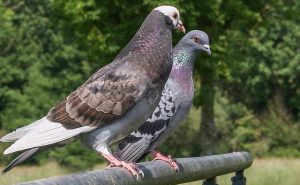
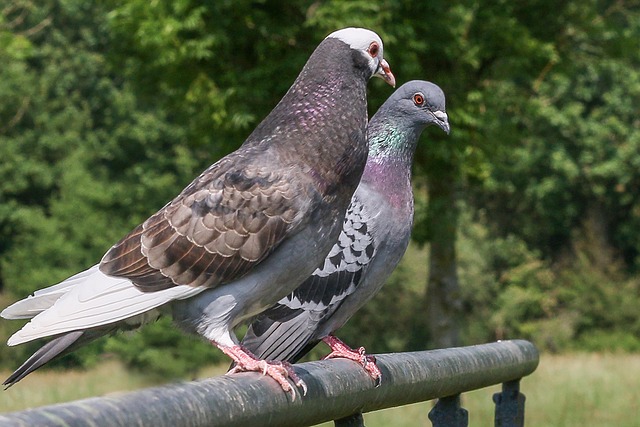
Forget any assumptions you might have. This is not simply a “rat with wings.” This is the bird that once delivered crucial messages about Olympic victories in ancient times, aided in saving countless lives during the World Wars, and even maps the invisible magnetic pathways of our planet through its feathers. When you spot a pigeon on the sidewalk, you’re not just observing a common city bird—you’re witnessing a blend of biology and elegance that often goes unnoticed.
Welcome to the world of Columba livia domestica: the Rock Dove, the city pigeon, and your most overlooked neighbor.
We don’t just hear their coos—we feel them.
Fun Facts: The Pigeon’s Hidden Resume
Art Critics & Math Whizzes: Studies show they can recognize all 26 letters of the alphabet, distinguish between paintings by Monet and Picasso, and even grasp basic math concepts.
Milk Producers: Both parents produce “crop milk,” a unique, nutrient-rich substance to feed their young—a trait shared only with flamingos and emperor penguins.
Speed Demons: Racing pigeons can fly at speeds over **90 km/h (56 mph)** for several hours.
The Original Internet: The ancient Romans used pigeon networks to transmit financial news, giving wealthy families an early edge in the stock market.
Scientific Snapshot: Built for Legend
Family: Columbidae.
Their closest relatives are the graceful doves found worldwide.
Navigation Suite: They have a complex system for navigation: an internal compass that detects Earth’s magnetic fields, a mental map based on the sun’s position, and an amazing ability to recognize landscapes.
Visual Superpower: They see the world in a way we can’t imagine.
Their eyes can detect ultraviolet light and offer a much wider field of vision, allowing them to perceive colors and patterns invisible to humans.
They likely use UV patterns on their own feathers for identification.
Habits & Behavior: The Society on Your Ledge
Till Death Do Us Part: Pigeons are famously monogamous, forming strong pair bonds.
The Coo is a Conversation: That soft “coo” is not just a sound; it’s a complex form of communication.
Different coos can signal territory, attract a mate, warn of danger, or serve as messages between mates at the nest.
Head-Bobbers for a Reason: The head bob is not a random movement—it’s a way to stabilize vision.
As they step forward, they thrust their head ahead to keep their view steady, creating a clear picture while their body moves.
Flocks often have “food scouts” that lead others to dependable food sources, showing social learning.
Architects of Scraps: Their nests are surprisingly simple.