Alpaca: The Gentle Spirit of the Andes
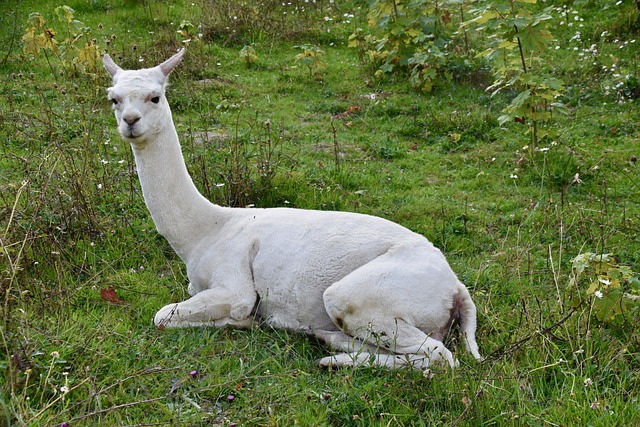
The alpaca is a gentle, intelligent, and social animal native to the high Andes Mountains of South America. Best known for its soft, luxurious fiber, the alpaca has been domesticated for thousands of years and plays an important role in the culture and economy of Andean communities. With its curious expressions and calm nature, the alpaca has become popular worldwide—not just as a fiber-producing animal, but also as a friendly companion on farms.
Fun Facts
- Alpaca wool is softer and warmer than sheep’s wool, and it’s naturally hypoallergenic.
- They communicate using soft humming sounds, especially when calm or curious.
- Alpacas rarely spit at humans—spitting is usually reserved for other alpacas during disputes.
- There are over 20 natural colors of alpaca fiber, from pure white to deep black.
- Alpacas have three stomach compartments, not four like cows.
Scientific Information
- Common Name: Alpaca
- Scientific Name: Vicugna pacos
- Kingdom: Animalia
- Phylum: Chordata
- Class: Mammalia
- Order: Artiodactyla
- Family: Camelidae
- Lifespan: 15–20 years
- Average Height: 81–99 cm (at the shoulder)
- Average Weight: 55–65 kg
Alpacas are domesticated descendants of the vicuña, one of the wild camelids of South America. They are well adapted to high-altitude environments with thin air and cold temperatures.
Habits & Behavior
- Alpacas are highly social and prefer living in herds. Isolation can cause stress.
- They are diurnal animals, active mainly during the day.
- Alpacas use communal dung piles, which helps keep grazing areas clean.
- They are naturally alert and cautious, often acting as guard animals for smaller livestock.
- Alpacas graze gently, using their padded feet and soft lips, which causes minimal damage to grasslands.