Anteater: The Silent Guardian of the Ant Kingdom
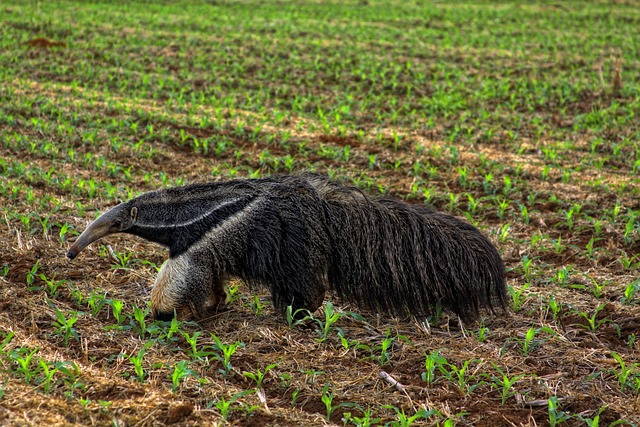
The anteater is one of nature’s most fascinating specialists—an animal perfectly designed for a single purpose: eating ants and termites. With its long snout, powerful claws, and slow, deliberate movements, the anteater moves quietly through forests and grasslands like a living mystery. Found mainly in Central and South America, anteaters play a vital role in maintaining ecological balance while captivating humans with their unusual appearance and calm demeanor.
Fun Facts About Anteaters
- Anteaters can eat up to 30,000 ants and termites in a single day.
- Their tongues can be over 60 cm long and are covered in sticky saliva.
- Anteaters have no teeth—they swallow insects whole.
- Despite their slow walk, giant anteaters can defend themselves fiercely using long, sharp claws.
- Baby anteaters often ride on their mother’s back for protection and warmth.
Scientific Information
- Common Name: Anteater
- Scientific Group: Vermilingua
- Kingdom: Animalia
- Phylum: Chordata
- Class: Mammalia
- Order: Pilosa
- Family: Myrmecophagidae
- Species Examples:
- Giant Anteater (Myrmecophaga tridactyla)
- Lesser Anteater (Tamandua tetradactyla)
- Lifespan: 14–20 years
- Diet: Ants, termites
Anteaters belong to the suborder Vermilingua, meaning “worm tongue,” a reference to their long, flexible tongues adapted for insect feeding.
Habits & Behavior
- Anteaters are mostly solitary animals, coming together only during mating season.
- They are generally nocturnal or crepuscular, especially in warmer climates.
- Anteaters use their strong sense of smell, which is far more powerful than their eyesight.
- When threatened, they may rear up on their hind legs and use their claws for defense.
- They visit ant nests briefly to avoid over-harvesting, allowing insect populations to recover.