Antelope – The Graceful Runners of the Wild
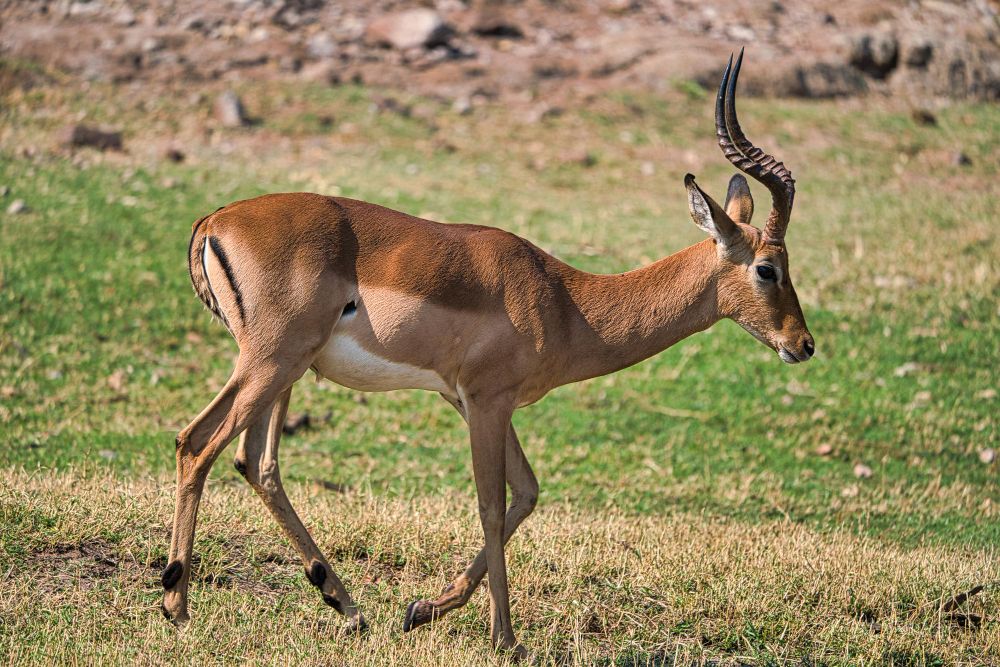
Antelopes are among the most elegant and agile animals found in nature. Known for their slim bodies, long legs, and incredible speed, antelopes symbolize freedom and alertness in the wild. These herbivores are famous for their ability to outrun predators and survive in some of the harshest landscapes on Earth. From open grasslands to dry deserts, antelopes thrive by combining sharp senses, teamwork, and remarkable endurance.
Fun Facts About Antelope
- Antelopes can run at speeds of 60–90 km/h, making them some of the fastest land animals.
- Most antelope species have horns, unlike deer whose antlers fall off each year.
- Antelopes have wide-set eyes, giving them excellent side vision to detect predators early.
- Some species can survive long periods without water by getting moisture from plants.
- Baby antelopes, called calves, can often stand and walk within minutes of birth.
Scientific Information
- Kingdom: Animalia
- Phylum: Chordata
- Class: Mammalia
- Order: Artiodactyla
- Family: Bovidae
- Subfamilies: Antelopes belong to several subfamilies, including Antilopinae and Hippotraginae
Antelopes are not a single species but a diverse group of mammals, with over 90 known species found mainly in Africa and parts of Asia.
Habits & Behavior
Antelopes are primarily diurnal, meaning they are active during daylight hours. They usually live in herds, which helps protect them from predators like lions, cheetahs, and hyenas. Herd size can vary from small family groups to massive gatherings of hundreds.
They communicate using body movements, alarm calls, and scent markings. When danger approaches, antelopes rely on speed rather than fighting, often escaping with sharp zigzag movements. During grazing, some members of the herd stay alert as lookouts, ensuring early warning for the group.