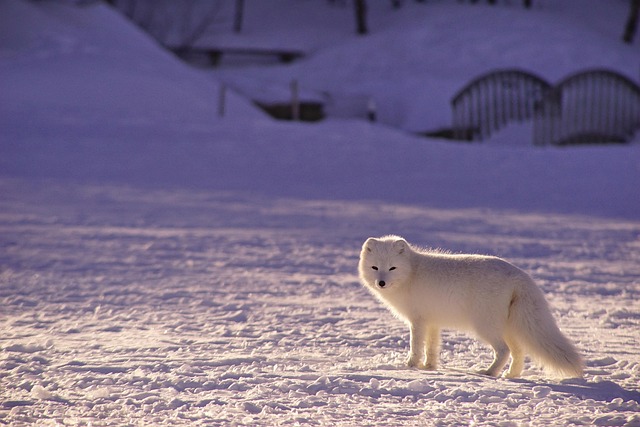
Arctic Fox: The Snow Survivor of the Frozen North
The Arctic Fox is one of nature’s most remarkable survivors, perfectly adapted to endure the harsh, icy landscapes of the Arctic. With its thick fur, compact body, and incredible resilience, this small yet tough animal thrives where few others can. Known for its seasonal coat changes and clever hunting strategies, the Arctic Fox is a true symbol of survival in extreme conditions.
Fun Facts
- The Arctic Fox’s fur changes color with the seasons—white in winter and brown or gray in summer!
- It can survive temperatures as low as -50°C (-58°F).
- Arctic Foxes have furry footpads that act like natural snow boots.
- They often follow polar bears and eat leftovers from their hunts.
- Their excellent hearing helps them locate prey under thick snow.
- Arctic Foxes can travel long distances—some have been recorded migrating over 3,500 km (2,175 miles)!
Scientific Information
- Scientific Name: Vulpes lagopus
- Family: Canidae
- Class: Mammalia
- Order: Carnivora
- Average Length: 46–68 cm (18–27 inches)
- Tail Length: 30–35 cm (12–14 inches)
- Weight: 2.5–9 kg (5.5–20 lbs)
- Lifespan: 3–6 years in the wild (can live longer in captivity)
- Habitat: Arctic tundra regions across North America, Europe, and Asia
Habits & Behavior
Arctic Foxes are highly adaptable and resourceful animals. They are primarily omnivorous, feeding on small mammals like lemmings, birds, eggs, fish, and even berries when available. During harsh winters, they rely on their keen sense of hearing to detect prey moving beneath the snow and then pounce with precision.
These foxes are known for their nomadic lifestyle, often traveling vast distances in search of food. They are generally solitary but may form pairs during the breeding season. Arctic Foxes build dens in the ground, sometimes using the same den for generations.
One of their most fascinating behaviors is their ability to store food during times of abundance, helping them survive the long, food-scarce winters. Their thick fur, which is the warmest of any mammal, along with their rounded body shape, helps minimize heat loss.