Asian Koel: The Melodious Cuckoo of South and Southeast Asia
The Asian Koel is one of the most recognizable birds of South and Southeast Asia, best known for its loud, melodic calls that echo through villages, forests, and city neighborhoods—especially during the breeding season. Often heard more than seen, this secretive bird announces the arrival of warmer months and has become deeply woven into local folklore and poetry. With its striking appearance and distinctive voice, the Asian Koel stands as a symbol of nature’s rhythm and seasonal change.
Fun Facts
- The Asian Koel is famous for its repetitive “koo-ooo” call, which becomes louder and more frequent during spring.
- Male and female koels look completely different, making them easy to tell apart.
- Instead of building its own nest, the Asian Koel is a brood parasite, relying on other birds to raise its chicks.
- It has strong cultural significance in many Asian countries and is often mentioned in songs, poems, and myths.
- Despite its loud voice, the Asian Koel is surprisingly shy and well-camouflaged among tree leaves.
Scientific Information
- Common Name: Asian Koel
- Scientific Name: Eudynamys scolopaceus
- Family: Cuculidae (Cuckoo family)
- Order: Cuculiformes
- Average Length: 39–46 cm
- Lifespan: Up to 15 years in the wild
- Conservation Status: Least Concern (IUCN)
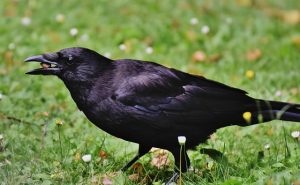
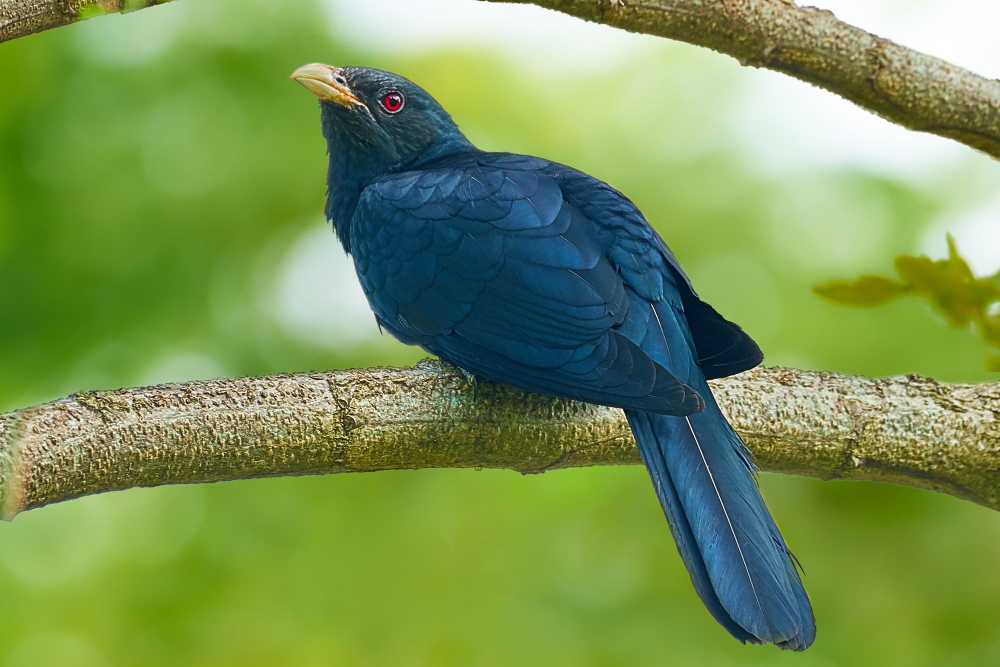
Male Asian Koels are glossy black with pale greenish eyes, while females are brown with white spots and streaks. Their wings are strong, allowing them to glide smoothly between tall trees.
Habits & Behavior
Asian Koels are primarily arboreal, spending most of their time in tree canopies. They are active during the early morning and late afternoon when their calls are most noticeable. Their diet mainly consists of fruits, especially figs, but they also eat insects and small invertebrates.
During breeding season, female koels lay their eggs in the nests of crows or other host birds. Once hatched, the koel chick is raised by the unsuspecting host parents. Asian Koels prefer woodlands, gardens, farmlands, and urban areas, showing remarkable adaptability to human environments.