Babbler — The Social Songbird of the Understory
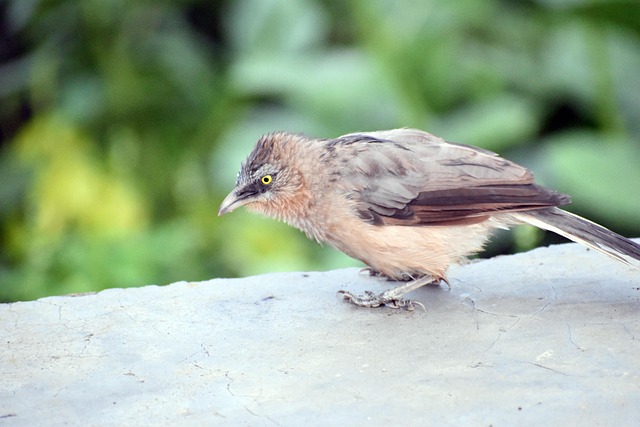
The Babbler is a fascinating group of small to medium-sized birds known for their lively behavior, distinctive calls, and strong social bonds. Often seen moving noisily through bushes, woodland edges, gardens, and forests, babblers rarely seem to stay alone for long. They commonly travel in groups, searching the ground and low vegetation for insects, fruits, seeds, and other foods.
With their rounded bodies, relatively short wings, and expressive calls, babblers may not have the spectacular colors of some tropical birds, but their energetic personalities make them a delight to observe. Their constant communication helps keep the group together as they move through dense vegetation.
Across Asia and Africa, different babbler species occupy a wide range of habitats. Many are particularly well adapted to life close to the ground, where they forage together and use their sharp calls to communicate with their companions.
Fun Facts
- They love company: Many babbler species are highly social and commonly forage in groups.
- Very vocal birds: Groups can produce a surprising variety of calls, creating a lively chorus in the forest.
- Excellent teamwork: Group members can help one another locate food and watch for potential danger.
- Not all babblers look alike: The name “babbler” applies to many different species with different colors, sizes, and appearances.
- They prefer dense vegetation: Many species are particularly comfortable in shrubs, woodland, forest edges, and thick undergrowth.
- Insects are important: Many babblers search leaves, branches, and the ground for insects and other small invertebrates.
- Strong social bonds: Some species live in family groups and cooperate in activities such as raising young.
- Their name fits their personality: Their frequent, varied vocalizations helped inspire the common name “babbler.”
Scientific Information
Common Name: Babbler
Bird Group: Old World passerines
Order: Passeriformes
Family: Timaliidae and related families, depending on the species
Habitat: Forests, scrubland, woodland, grassland edges, gardens, and dense vegetation
Diet: Insects, larvae, spiders, fruits, seeds, and other small food items
Distribution: Mainly Asia and Africa, depending on the species
“Babbler” is a common name rather than a single species. Several different bird groups are known as babblers, and their scientific classification has changed as genetic studies have improved our understanding of their relationships.
Asian babblers include members of the Timaliidae family, while other birds traditionally called babblers have been placed in different families. Therefore, the exact scientific classification depends on which babbler species you are describing.
Habits & Behavior
Babblers are best known for their social lifestyle. Many species travel in small groups while searching for food among leaves, branches, shrubs, and leaf litter. Several birds may forage together, constantly producing soft calls and louder contact calls.
Their feeding behavior is particularly interesting. A group may move through vegetation almost like a small team, turning over leaves, searching branches, and investigating the forest floor. Their combined activity can also disturb insects and other small prey, making them easier to find.
Communication is an important part of babbler life. Members of a group use different calls to maintain contact, coordinate movement, warn others of danger, and respond to neighboring groups.
During the breeding season, social behavior can become even more fascinating. Depending on the species, family members or other group members may assist with territory defense, nest protection, or caring for young birds.
Although generally active and noisy, babblers can also become cautious when threatened. Their dense habitat provides plenty of cover, allowing them to quickly disappear into shrubs and vegetation.
Why Babblers Matter
Babblers are valuable members of forest and woodland ecosystems. By eating insects and consuming fruits and seeds, they participate in food webs and may also contribute to seed dispersal. Their presence can be a wonderful indicator of healthy, well-vegetated habitats.
Whether you encounter a babbler scratching through fallen leaves or hear a noisy group calling from thick vegetation, these birds offer a fascinating glimpse into the complex social world of wild birds.
Small, social, and endlessly vocal—the babbler is one of nature’s most entertaining forest companions.