Bald Eagle: The Majestic Symbol of Freedom
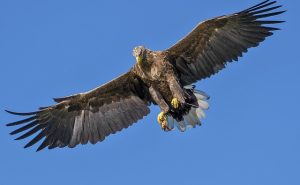
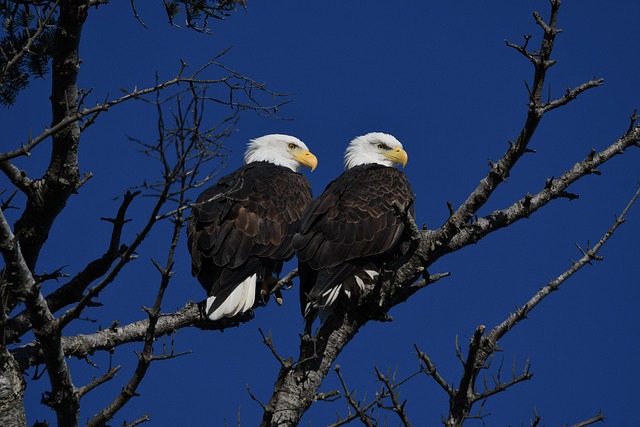
The Bald Eagle is one of the most powerful and inspiring birds in the natural world. With its striking white head, piercing yellow eyes, and immense wingspan, it soars as a living symbol of strength and freedom. Native to North America, the Bald Eagle holds a place of honor as the national bird and emblem of the United States of America, representing courage, independence, and resilience. Found near rivers, lakes, and coastlines, this magnificent raptor commands respect both in the sky and in national history.
Fun Facts About the Bald Eagle
- The Bald Eagle is not actually bald—the name comes from an old word meaning “white-headed.”
- Its wingspan can reach up to 2.4 meters (8 feet).
- Bald Eagles can spot prey from over 1.5 kilometers (1 mile) away.
- They build the largest nests of any North American bird, some weighing over one ton.
- Despite their power, Bald Eagles often steal food from other birds, especially ospreys.
Scientific Information
- Common Name: Bald Eagle
- Scientific Name: Haliaeetus leucocephalus
- Kingdom: Animalia
- Phylum: Chordata
- Class: Aves
- Order: Accipitriformes
- Family: Accipitridae
- Lifespan: 20–30 years (can be longer in the wild)
- Wingspan: 1.8–2.4 meters
- Diet: Fish, small mammals, birds, carrion
The Bald Eagle belongs to the sea eagle group and is specially adapted for hunting fish with powerful talons and hooked beaks.
Habits & Behavior
- Bald Eagles are diurnal, active mainly during daylight hours.
- They prefer habitats near large bodies of water with tall trees for nesting.
- Bald Eagles usually mate for life, forming strong pair bonds.
- They are highly territorial during breeding season and fiercely protect their nests.
- During winter, they may gather in large numbers where food is plentiful.