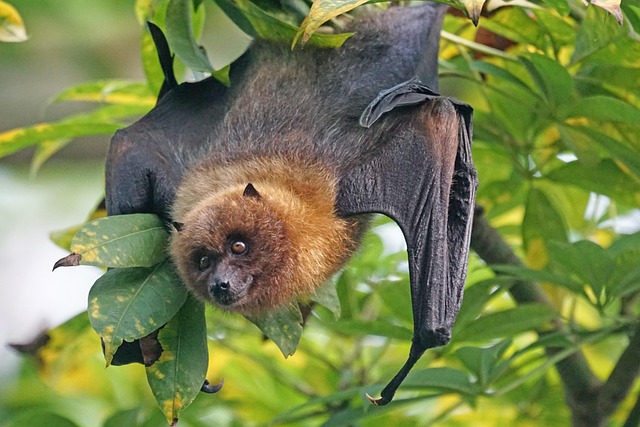
Bat: The Nocturnal Mammal That Rules the Night Sky
Bats are fascinating flying mammals that play a crucial role in maintaining healthy ecosystems. Often misunderstood and unfairly feared, bats are actually gentle, intelligent creatures that help control insect populations, pollinate plants, and disperse seeds. They are the only mammals capable of true, sustained flight and can be found on almost every continent except Antarctica.
Fun Facts
- Bats are the only mammals that can fly, not just glide.
- Some bats can eat up to 1,000 insects in a single hour
- Not all bats drink blood—over 99% eat insects, fruits, or nectar.
- Bats use echolocation to navigate and hunt in complete darkness.
- The smallest bat, the bumblebee bat, is about the size of a large insect.
- Certain bat species can live over 30 years, which is very long for such small animals.
- A group of bats is called a colony.
Scientific Information
- Kingdom: Animalia
- Phylum: Chordata
- Class: Mammalia
- Order: Chiroptera
- Scientific Name (Order): Chiroptera
- Lifespan: 10–30 years (varies by species)
- Diet: Insects, fruits, nectar, pollen, fish, or small animals
- Habitat: Caves, trees, forests, buildings, bridges
- Wingspan: 15 cm to over 1.5 meters (depending on species)
There are over 1,400 species of bats, making them the second-largest order of mammals after rodents.
Habits & Behavior of Bats
- Bats are mostly nocturnal, meaning they are active at night.
- They sleep upside down to take off quickly and safely.
- Many bats live in large colonies, sometimes numbering in the millions.
- During colder months, some species hibernate, while others migrate.
- Fruit-eating bats play a vital role in seed dispersal and forest regeneration.
- Mother bats usually give birth to one pup at a time and nurse them with milk.