Bison Sound: Giants of the Open Plains
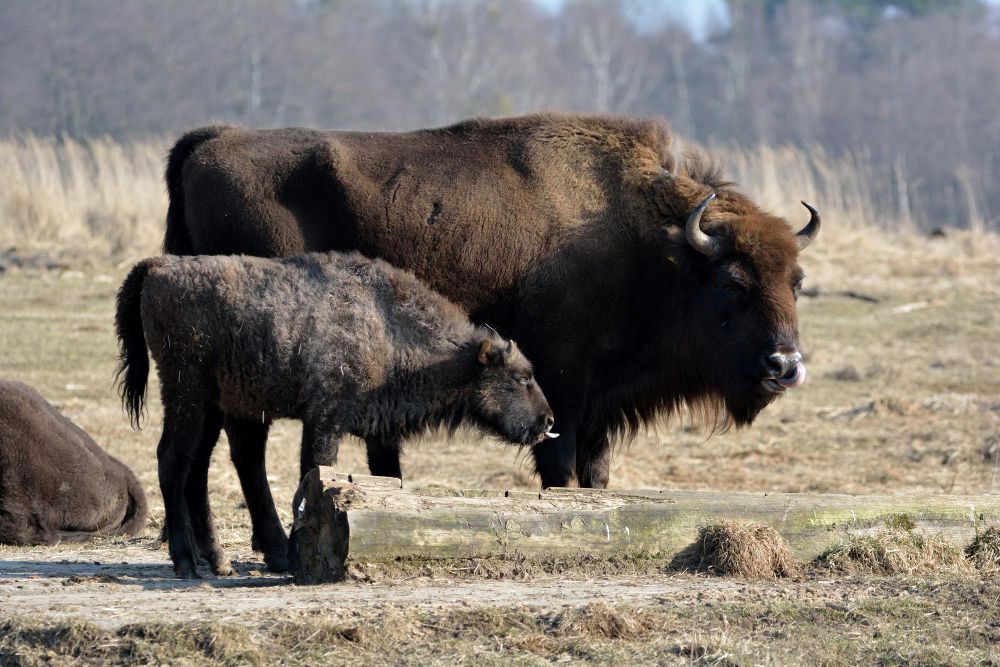
Bison are among the most formidable animals found in the grasslands, admired for their immense size, dense coats, and quiet authority. Commonly referred to as buffalo in North America, these animals once traveled across vast plains in massive numbers. Although they appear slow and heavy, bison are remarkably quick and athletic, able to move with surprising speed. Their low calls and snorting sounds echo the spirit of the wild, making them a powerful symbol of untamed landscapes.
Interesting Facts About Bison
- Bison can reach speeds of up to 35 miles per hour, making them much faster than they look.
- Despite their bulk, they are capable of leaping over obstacles as high as 6 feet.
- Their thick, woolly fur protects them from freezing temperatures during harsh winters.
- Bison are strong swimmers and can easily cross wide rivers.
- They hold the title of the largest land mammals in North America.
- Communication among bison includes vocal sounds like grunts and snorts, along with physical gestures.
Scientific Profile
- Scientific Name: Bison bison
- Family: Bovidae
- Average Lifespan: 15–25 years in the wild
- Weight Range: 400–1,000 kg (880–2,200 lbs)
- Natural Habitat: Plains, grasslands, and open woodlands
- Diet: Herbivorous, feeding mainly on grasses and low vegetation
Lifestyle and Behavior
Bison are naturally social animals, most often seen moving in herds made up of females and their young. Mature males usually live alone or in small bachelor groups, joining the herds mainly during breeding season. Much of their daily routine involves grazing, resting, and slowly traveling across open land.
In colder months, bison use their powerful heads to push aside snow, uncovering grass beneath. During mating periods, males display more aggressive behavior, competing for dominance through loud calls, physical displays, and occasional clashes.
While generally calm, bison can become dangerous if they feel threatened. Their strength, speed, and size serve as their primary defenses against predators, making them one of the most resilient animals of the wild.