Blue Jay: The Dazzling Sentinel of North America’s Woodlands
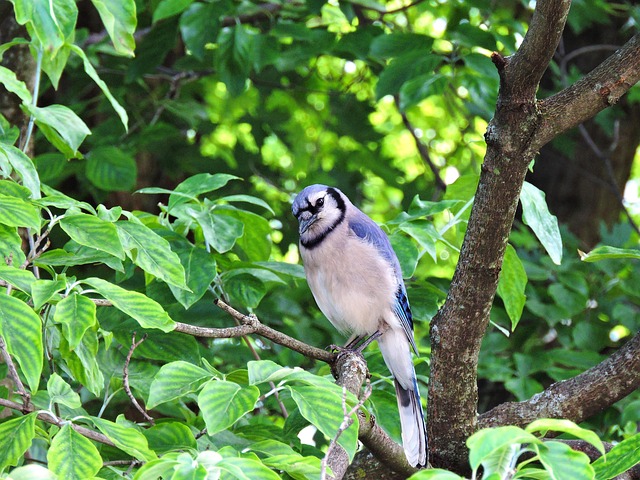
The Blue Jay is a brilliantly colored songbird admired for its intelligence, adaptability, and fearless attitude. Commonly seen across much of North America, this bird brightens forests, suburban neighborhoods, and city parks with its vibrant plumage and energetic calls. Beyond its beauty, the Blue Jay plays a vital ecological role by dispersing seeds and helping forests grow.
National Status: The Blue Jay is not the official national bird of any country. However, it is a beloved regional symbol and is strongly associated with several areas and institutions, especially in the United States.
Fun Facts
- Color Illusion: The blue color isn’t from pigment—feather structure bends light to create the stunning hue.
- Master Impersonator: Blue Jays can mimic predators like the Red-shouldered Hawk to warn other birds or scare competitors.
- Nature’s Tree Planters: By burying acorns and forgetting some, they unknowingly help expand oak forests.
- Sharp Memory: They can remember hundreds of food cache locations.
- Family-Oriented Birds: Mated pairs often stay together and cooperatively care for their chicks.
Scientific Info
- Scientific Name: Cyanocitta cristata
- Family: Corvidae (the crow and raven family)
- Order: Passeriformes
- Length: 9–12 inches (22–30 cm)
- Wingspan: 13–17 inches (34–43 cm)
- Weight: 2.5–3.5 ounces (70–100 g)
- Average Lifespan: Around 7 years in the wild, though some individuals live significantly longer.
Habits & Behavior
- Flexible Diet: Blue Jays are omnivores, feeding on seeds, nuts, fruits, insects, and occasionally small animals.
- Bold Defenders: They aggressively protect nests and may even chase larger birds away from their territory.
- Partial Migrants: Some populations migrate while others remain year-round—this behavior still fascinates researchers.
- Complex Language: Their vocal range includes whistles, rattles, and loud “jay” calls used to communicate threats or attract mates.
- Highly Adaptable: Blue Jays thrive anywhere with trees—from deep forests to busy suburban streets.