Bobcat – The Silent Shadow of North America’s Wildlands
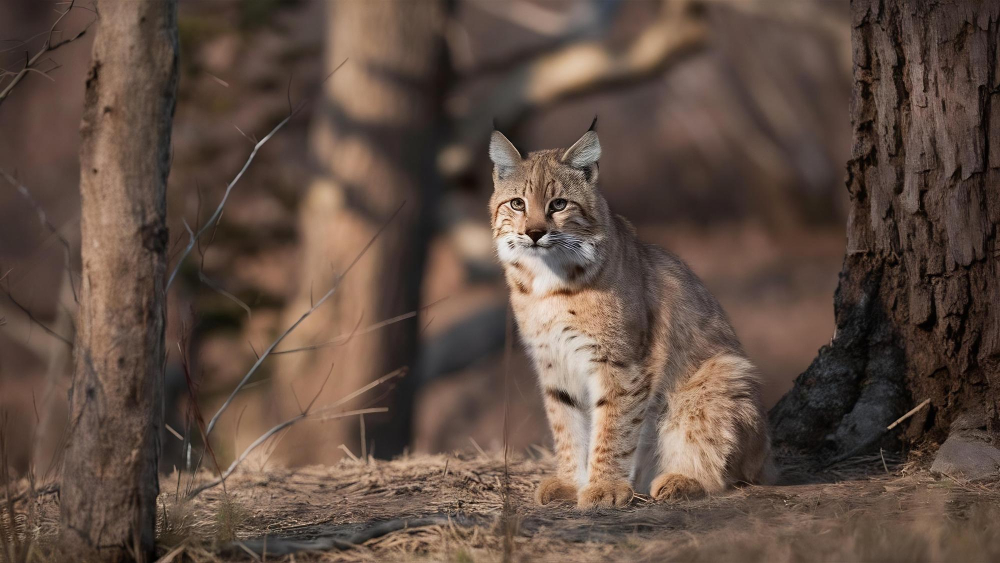
The Bobcat is a stealthy and powerful wild cat known for its sharp instincts, striking tufted ears, and remarkable adaptability. Smaller than a lynx but just as fierce, this elusive predator thrives across forests, deserts, mountains, and even suburban edges. With its keen senses and silent movements, the bobcat is a true symbol of wilderness intelligence.
Fun Facts
- Bobcats can jump up to 10 feet in a single leap.
- Their name comes from their short, “bobbed” tail, usually tipped with black.
- They are excellent swimmers, though they prefer to avoid water.
- A bobcat’s hearing is so sharp it can detect a mouse under snow.
- Each bobcat has a unique spot pattern, like a fingerprint.
Scientific Information
- Common Name: Bobcat
- Scientific Name: Lynx rufus
- Family: Felidae
- Class: Mammalia
- Order: Carnivora
- Average Length: 65–105 cm (26–41 inches)
- Weight: 6–18 kg (13–40 lbs)
- Lifespan: 10–12 years (up to 16 in the wild)
- Habitat: Forests, deserts, swamps, mountains, grasslands
- Conservation Status: Least Concern (IUCN)
Habits & Behavior
- Bobcats are solitary animals, coming together only during mating season.
- They are mainly nocturnal or crepuscular, active at dawn and dusk.
- Their diet includes rabbits, rodents, birds, reptiles, and occasionally deer.
- Bobcats are territorial and mark their area with scent markings.
- They are ambush hunters, relying on stealth rather than speed.