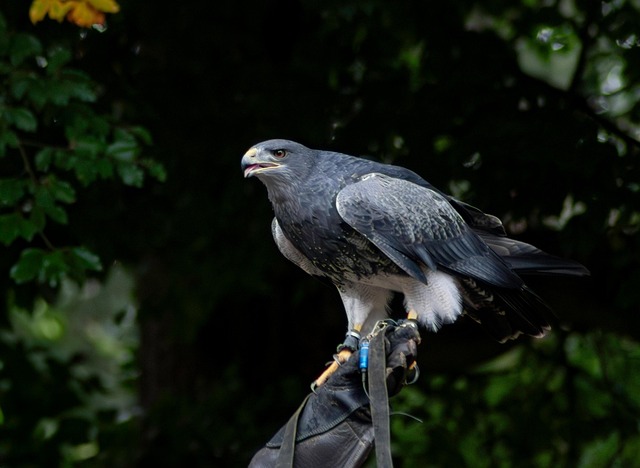
Buzzard: The Majestic Soaring Hunter of the Skies
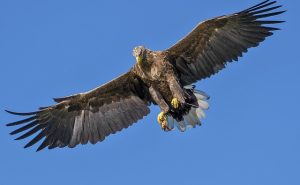
The Buzzard is a magnificent bird of prey admired for its broad wings, keen eyesight, and graceful soaring flight. Found across Europe, Asia, and parts of Africa, buzzards are skilled hunters that play an important role in maintaining healthy ecosystems. Whether gliding effortlessly over forests, farmland, or open countryside, these raptors are a fascinating sight for birdwatchers and nature lovers alike.
Buzzards are highly adaptable birds that thrive in a variety of habitats. Their distinctive calls and impressive aerial displays make them one of the most recognizable birds of prey in the wild.
Fun Facts
- Buzzards can soar for long periods without flapping their wings by riding warm air currents called thermals.
- They have exceptional eyesight, allowing them to spot small prey from hundreds of feet above the ground.
- Buzzards produce a high-pitched, mewing call that is often mistaken for the cry of an eagle.
- There are many buzzard species worldwide, with the Common Buzzard (Buteo buteo) being one of the most widespread.
- Their feather colors vary greatly, ranging from almost white to dark brown, even within the same species.
- Buzzards often reuse and expand the same nest year after year.
- They help farmers by controlling populations of rodents and other small mammals.
- Their broad wings and short tails are perfectly designed for efficient soaring rather than fast pursuit.
Scientific Information
| Category | Details |
| Common Name | Buzzard |
| Scientific Name | Buteo spp. (Common Buzzard: Buteo buteo) |
| Family | Accipitridae |
| Order | Accipitriformes |
| Class | Aves |
| Diet | Carnivore |
| Average Length | 40–58 cm (16–23 inches) |
| Wingspan | 110–140 cm (43–55 inches) |
| Weight | 550–1,300 g (1.2–2.9 lbs) |
| Lifespan | 10–20 years in the wild |
| Habitat | Forests, woodlands, grasslands, farmland, hills, and open countryside |
| Distribution | Europe, Asia, Africa, and parts of nearby islands |
| Conservation Status | Varies by species; Common Buzzard: Least Concern (IUCN) |
Habits & Behavior
Graceful Soaring
Buzzards spend much of their day soaring high above the landscape using rising warm air. This energy-efficient flight allows them to search vast areas for food with minimal effort.
Excellent Hunters
Their sharp vision helps them detect rodents, rabbits, reptiles, insects, and small birds from great heights. They usually swoop down quickly to capture prey on the ground.
Opportunistic Feeders
Buzzards are not only active hunters but also scavengers. They readily feed on carrion when available, helping keep ecosystems clean.
Territorial Nature
During the breeding season, buzzards defend their nesting territory with impressive aerial displays and loud calls to warn away intruders.
Nesting Habits
Buzzards build large stick nests high in mature trees or occasionally on cliffs. Both parents participate in nest building, incubation, and raising their chicks.
Seasonal Movement
Some buzzard populations are resident year-round, while others migrate long distances depending on climate and food availability.
Communication
Buzzards communicate through whistles and mewing calls, especially during courtship and territorial disputes. Their vocalizations are often heard long before the bird is seen.
Ecological Importance
As top predators, buzzards help regulate populations of rodents and other small animals, contributing to balanced and healthy ecosystems.
The Buzzard is a remarkable bird of prey that combines elegance, intelligence, and adaptability. Its soaring flight, sharp hunting skills, and vital ecological role make it one of the most fascinating raptors to observe. Whether gliding effortlessly across the sky or calling from a woodland perch, the buzzard is a true symbol of the wild and an important guardian of nature’s balance.