Camel: The Master of the Desert
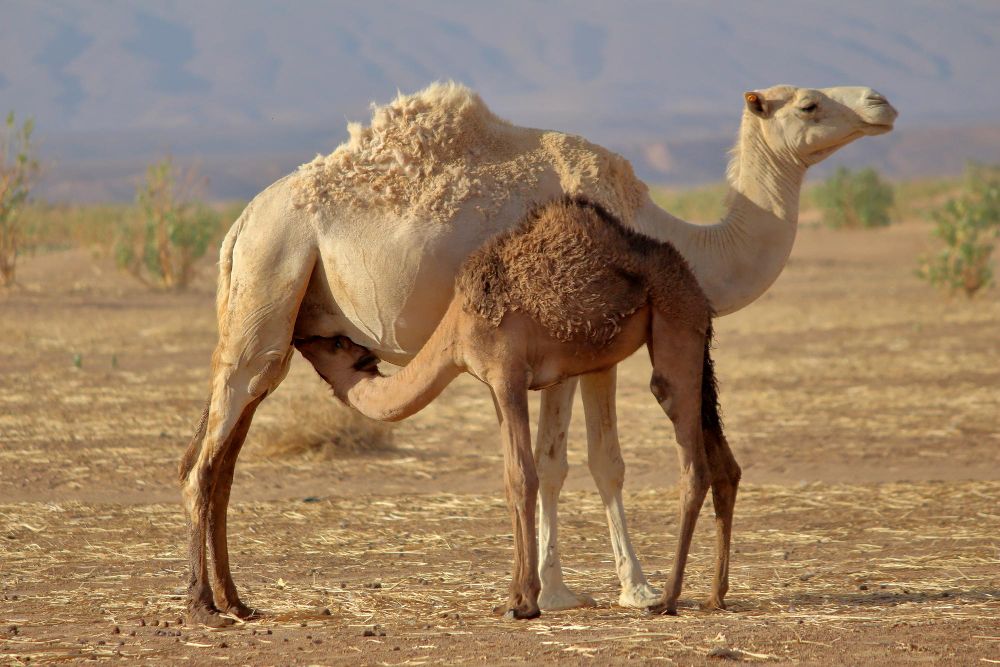
Camels are extraordinary animals perfectly designed to survive in some of the harshest environments on Earth. Known for their distinctive humps and long legs, camels are often called the “ships of the desert” because of their ability to travel long distances across hot, dry landscapes. Calm, patient, and highly resilient, camels have supported human life for centuries by providing transportation, milk, and companionship in arid regions. Their unique physical features allow them to endure extreme heat, limited water, and scarce food where few animals can survive.
Fun Facts About Camels
• Camels can go several days, and sometimes weeks, without drinking water.
• Their humps store fat, not water, which provides energy when food is scarce.
• Camels have thick eyelashes and closable nostrils to protect their eyes and nose from blowing sand.
• They can drink up to 40 gallons of water in one session when water becomes available.
• Camels can tolerate significant changes in body temperature to reduce sweating.
• Their wide, padded feet prevent them from sinking into soft desert sand.
Scientific Information
• Scientific Name: Camelus
• Family: Camelidae
• Average Lifespan: 30–40 years
• Weight: 400–600 kg (880–1,320 lbs), depending on species
• Height: Up to 7 feet at the shoulder
• Habitat: Deserts, semi-arid regions, and dry grasslands
• Diet: Herbivore (dry grasses, leaves, shrubs, and thorny plants)
Habits & Behavior
Camels are social animals that often live in groups led by a dominant male. They are most active during cooler parts of the day, such as early morning and evening, to avoid extreme heat. During the hottest hours, camels prefer resting to conserve energy.
They move with a slow, steady pace, which helps reduce water loss and exhaustion. Camels are known for their calm nature but can become defensive if threatened or mistreated. They communicate through soft sounds, body movements, and facial expressions.
In difficult conditions, camels rely on their efficient metabolism, allowing them to survive long periods with minimal food and water. This remarkable adaptability makes them one of the most successful animals in desert ecosystems.