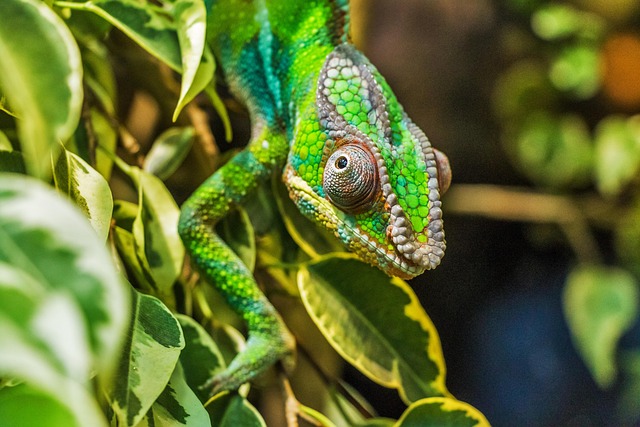
Chameleon: Nature’s Color-Changing Master of Camouflage
The chameleon is one of the most fascinating reptiles on Earth, famous for its ability to change colors, swivel its eyes independently, and move with extraordinary precision. These incredible adaptations make chameleons masters of camouflage, helping them avoid predators and sneak up on prey. Found mainly in Africa, Madagascar, and parts of Asia and Europe, chameleons captivate wildlife enthusiasts with their unique appearance and mesmerizing behavior.
From their prehensile tails to their long, sticky tongues, every part of a chameleon is built for survival in a world full of challenges. Whether perched silently on a branch or slowly stalking an insect, the chameleon is a living example of nature’s creativity and precision.
Scientific Information
- Common Name: Chameleon
- Scientific Family: Chamaeleonidae
- Order: Squamata (Lizards)
- Class: Reptilia
- Average Length: 15–68 cm (6–27 inches), depending on species
- Weight: 30–200 grams
- Lifespan: 2–10 years in the wild
Conservation Status: Varies by species; many are Least Concern, but some, like the panther chameleon, face habitat threats.
National Recognition:
✅ The panther chameleon (Furcifer pardalis) is a symbol of Madagascar’s unique wildlife, though no chameleon is officially a national animal of any country.
Fun Facts
✅ Chameleons can change color not only for camouflage but also to communicate, regulate body temperature, and express mood.
✅ Their eyes move independently, allowing them to look in two directions at once.
✅ Chameleons have extremely long, sticky tongues that can shoot out faster than their body length to catch insects.
✅ Some species can change from bright green to deep blue, orange, or even black within seconds.
✅ They have prehensile tails that act like a fifth limb, helping them grip branches securely.
✅ Chameleons are mostly solitary and prefer quiet environments where they can hunt undisturbed.
Habits & Behavior
Diet:
Chameleons are primarily insectivores, feeding on crickets, flies, and other small insects. Larger species may also eat small birds or other lizards.
Movement:
They move slowly and deliberately, often swaying to mimic leaves in the wind, making them almost invisible to predators.
Habitat:
Chameleons live in forests, savannas, and scrublands, often preferring trees and shrubs for climbing.
Communication:
Color changes, body posture, and sometimes hissing or puffing up are used to signal aggression, mating readiness, or stress.
Social Behavior:
Chameleons are mostly solitary except during mating. They defend territories, and males can be highly aggressive toward rivals.
Activity Pattern:
They are diurnal, meaning they are active during the day and rest at night, often curled around branches.