Coati: The Curious Masked Explorer of the Forest
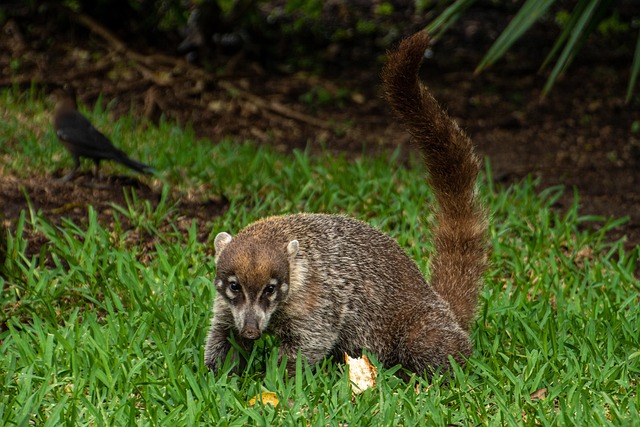
Coatis are playful, intelligent, and highly curious mammals known for their long flexible snouts, ringed tails, and energetic personalities. Belonging to the raccoon family, these fascinating animals are found in forests, mountains, and tropical regions of the Americas. Whether climbing trees, searching for food, or traveling in lively groups, coatis are always full of movement and charm. Their unique appearance and social behavior make them one of the most interesting wild mammals in their habitat.
Fun Facts
- Coatis use their long snouts like natural tools to dig for insects and hidden food.
- Their tails help them balance while climbing trees and walking on branches.
- Female coatis and young ones often live in groups called bands.
- Adult males usually prefer living alone except during breeding season.
- Coatis are excellent climbers and can descend trees headfirst by rotating their ankles.
- They are relatives of Raccoon and share many clever behaviors.
- Coatis communicate through sounds, body posture, and tail movements.
Scientific Info
- Common Name: Coati
- Family: Procyonidae
- Main Genus: Nasua and Nasuella
- Example Species: Nasua nasua
- Diet: Omnivore
- Lifespan: Around 7–14 years in the wild, longer in captivity
- Habitat: Forests, woodlands, mountains, and tropical regions of the Americas
Habits & Behavior
Coatis are active during the day and spend much of their time foraging for food. They eat fruits, insects, eggs, small animals, and roots. Using their sharp claws and flexible noses, they search under leaves, logs, and soil for hidden meals.
These animals are very social, especially females and juveniles that travel together in groups for protection and companionship. Adult males are often solitary and join groups mainly during mating season.
Coatis are agile climbers and rest in trees at night to stay safe from predators. They are naturally curious and will investigate new smells, sounds, or objects in their environment. Their playful nature and intelligence make them remarkable survivors in the wild.