Coot Bird: The Bold Waterbird with a White Shield
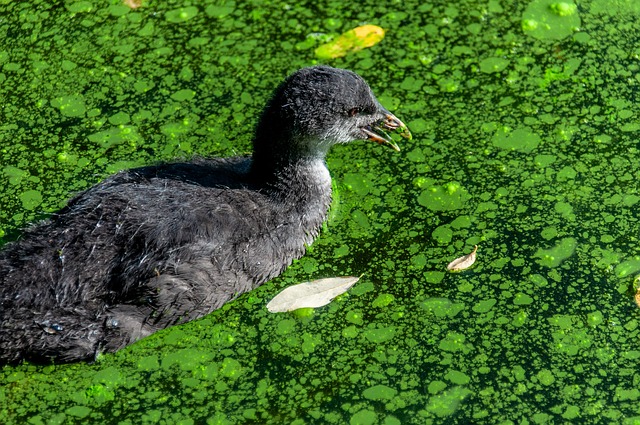
The Coot is a fascinating freshwater bird recognized by its dark plumage, bright white bill, and distinctive white forehead shield. Although it resembles a duck at first glance, the coot belongs to the rail family and has unique lobed toes instead of webbed feet. Found in lakes, ponds, marshes, and slow-moving rivers across many parts of the world, coots are excellent swimmers and surprisingly agile on land. They are known for their energetic behavior, loud calls, and territorial nature, making them one of the most interesting waterbirds to observe.
Fun Facts
- Coots are often mistaken for ducks, but they are actually members of the rail family (Rallidae).
- Instead of webbed feet, coots have lobed toes that help them swim efficiently and walk on muddy wetlands.
- They can run across the surface of the water while flapping their wings before taking off.
- Coots are highly territorial and frequently chase other birds away from their nesting areas.
- Their white bill and forehead shield make them easy to identify even from a distance.
- Baby coots hatch with bright orange and red feathers on their heads, unlike the dark-colored adults.
- They are strong divers and often search underwater for aquatic plants and small animals.
- Some coot species migrate seasonally, while others remain in the same wetlands year-round.
Scientific Information
- Common Name: Coot
- Scientific Name: Fulica atra (Eurasian Coot) (other species belong to the genus Fulica)*
- Family: Rallidae
- Order: Gruiformes
- Class: Aves
- Diet: Omnivore
- Average Length: 32–42 cm (13–17 inches)
- Wingspan: 70–80 cm (28–31 inches)
- Weight: 500–1,200 grams (1.1–2.6 lbs)
- Lifespan: Typically 8–12 years in the wild
- Habitat: Freshwater lakes, ponds, marshes, reservoirs, rivers, and wetlands
- Conservation Status: Least Concern (most species)
Habits & Behavior
Coots are highly active waterbirds that spend much of their time swimming, diving, and foraging. Their lobed toes provide excellent propulsion in the water while allowing them to move easily across floating vegetation and muddy shorelines.
These birds feed on aquatic plants, algae, seeds, insects, snails, crustaceans, tadpoles, and small fish. They often dive below the surface to gather food or graze on vegetation growing underwater.
Coots are well known for their bold and aggressive behavior. During the breeding season, they fiercely defend their territories by chasing, pecking, and even striking rivals with their feet. Their noisy calls and dramatic confrontations are common sights in busy wetlands.
They build floating nests anchored among reeds and other aquatic plants. Both parents share the responsibility of incubating the eggs and caring for the chicks after they hatch.
Outside the breeding season, coots often gather in large flocks, especially on lakes and reservoirs, where they feed and rest together. Some populations migrate to warmer regions during winter, while others remain resident throughout the year if food and open water are available.
With their distinctive appearance, energetic personality, and adaptability, coots are an important part of wetland ecosystems and a favorite species among birdwatchers worldwide.