Cormorant: The Master Diver of Rivers and Seas
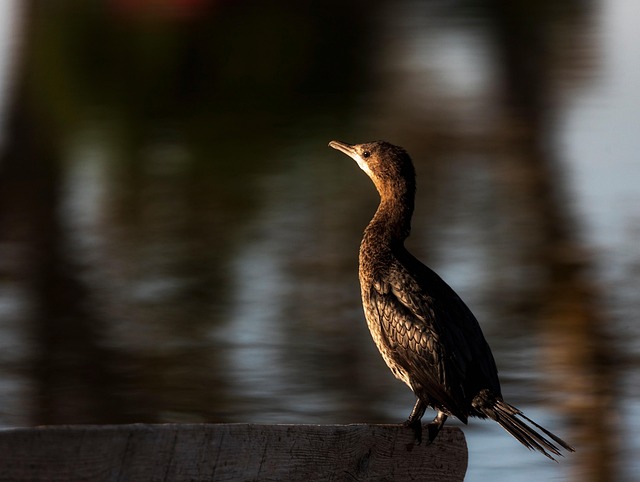
The Cormorant is a sleek, dark waterbird known for its incredible diving ability and sharp hunting skills. Found along coastlines, rivers, and lakes around the world, cormorants are expert fishers that move effortlessly between air and water. With their long necks, hooked bills, and striking silhouette, these birds are a fascinating sight both in flight and while perched with wings spread wide to dry.
Fun Facts
- Cormorants are excellent divers, capable of swimming deep underwater to catch fish.
- Unlike many waterbirds, their feathers are not fully waterproof, helping them dive more easily.
- They often sit with wings spread open to dry their feathers in the sun.
- They have sharp vision underwater, allowing them to spot fast-moving prey.
- In some cultures, cormorants have been trained by humans for fishing.
- They are found on every continent except Antarctica.
Scientific Info
- Family: Phalacrocoracidae
- Order: Suliformes
- Common Species: Great Cormorant
- Habitat: Coastal areas, rivers, lakes, wetlands
- Diet: Mainly fish, also aquatic animals
- Lifespan: Around 10–15 years in the wild
Habits & Behavior
Cormorants are highly skilled hunters, diving beneath the water’s surface and using their powerful legs to chase fish. They can stay submerged for extended periods and emerge with impressive catches.
These birds are often seen perched near water with wings outstretched, a behavior that helps them dry their feathers after diving. They are also social birds, frequently nesting and roosting in colonies.
Cormorants build nests in trees, cliffs, or on the ground near water. During breeding season, they become more vocal and display subtle courtship behaviors.
Their adaptability allows them to thrive in both freshwater and marine environments, making them an important part of aquatic ecosystems.