Deer: The Graceful Herbivores of Forests and Grasslands
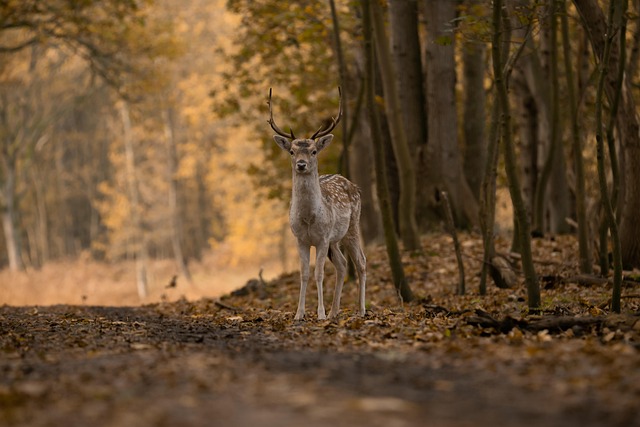
Deer are elegant, hoofed mammals known for their gentle nature, swift movements, and impressive antlers. Found across forests, grasslands, mountains, and wetlands, deer play an important role in maintaining ecological balance. These herbivores are admired worldwide for their beauty, alertness, and adaptability to diverse environments.
Fun Facts
- Only male deer usually grow antlers, which they shed and regrow every year.
- Deer have excellent hearing and sense of smell, helping them detect danger quickly.
- A deer’s eyes are positioned on the sides of its head, giving it nearly 310° vision 👀
- Newborn deer, called fawns, have white spots that help them blend into their surroundings.
- Deer can run up to 60 km/h and jump very high and far.
- Different species of deer live on every continent except Antarctica and Australia.
- A group of deer is called a herd.
Scientific Information
- Kingdom: Animalia
- Phylum: Chordata
- Class: Mammalia
- Order: Artiodactyla
- Family: Cervidae
- Scientific Family Name: Cervidae
- Lifespan: 10–20 years (species dependent)
- Diet: Herbivore (grass, leaves, fruits, bark, twigs)
- Habitat: Forests, grasslands, wetlands, mountains
- Speed: Up to 60 km/h
There are over 90 species of deer, including well-known types like the white-tailed deer, red deer, reindeer (caribou), and sambar deer.
Habits & Behavior of Deer
- Deer are generally crepuscular, meaning they are most active at dawn and dusk.
- They live in social groups, though adult males often stay alone outside the breeding season.
- During the breeding season (rut), males compete by displaying antlers and making loud calls.
- Deer communicate using body language, vocal sounds, and scent marking.
- In colder regions, deer grow thicker coats to survive winter.
- They are cautious animals and rely on speed and agility to escape predators.