
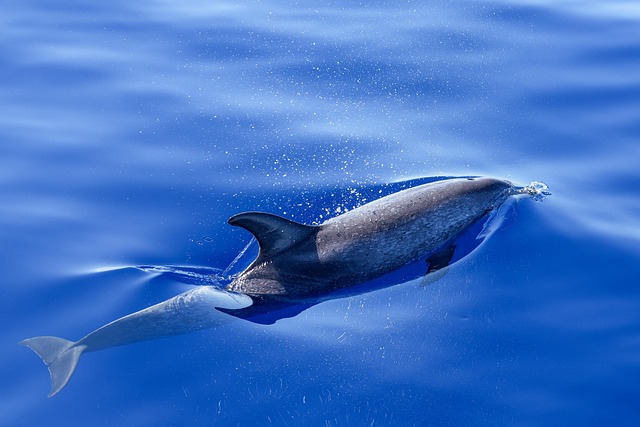
Dolphin: The Intelligent Swimmers of the Ocean
Dolphins are highly intelligent and social marine mammals known for their playful behavior and strong bonds within groups. Found in oceans and seas around the world—and even in some rivers—dolphins are admired for their communication skills, problem-solving abilities, and friendly interactions with humans. They play an important role in maintaining healthy marine ecosystems.
Fun Facts
- Dolphins are among the smartest animals on Earth, second only to humans in some studies.
- They use clicks, whistles, and body movements to communicate.
- Each dolphin has a unique whistle, similar to a name.
- Dolphins can swim at speeds of up to 60 km/h
- They sleep with one half of their brain at a time to stay alert.
- Dolphins often leap out of the water, a behavior called breaching.
- A group of dolphins is called a pod.
Scientific Information
- Kingdom: Animalia
- Phylum: Chordata
- Class: Mammalia
- Order: Artiodactyla
- Infraorder: Cetacea
- Family: Delphinidae
- Scientific Family Name: Delphinidae
- Lifespan: 20–50 years
- Diet: Carnivore (fish, squid, crustaceans)
- Habitat: Oceans, seas, and some rivers
- Body Length: 1.5–4 meters (species dependent)
There are over 40 species of dolphins, with the bottlenose dolphin being the most well-known.
Habits & Behavior of Dolphins
- Dolphins are highly social and live in pods that may include a few individuals or hundreds.
- They are active both day and night, often hunting cooperatively.
- Dolphins use echolocation to find food and navigate underwater.
- Mothers nurse their calves for up to two years, forming strong bonds.
- They are playful by nature and often surf waves or interact with boats.
- Dolphins show altruistic behavior, helping injured pod members or even humans.