Eastern Bluebird: The Sky-Tinted Songster of Open Fields
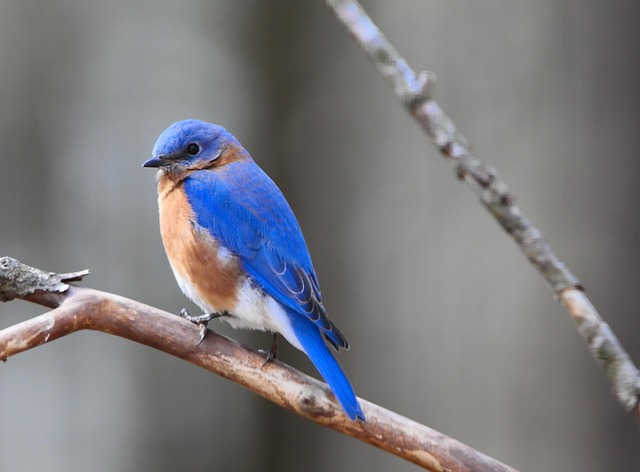
The Eastern Bluebird is a breathtakingly beautiful songbird known for its brilliant blue feathers and warm, rust-colored chest. Often seen perched gracefully on fences or fluttering across open meadows, this charming bird symbolizes happiness and renewal in many cultures. Native to North America, the Eastern Bluebird has captured the admiration of birdwatchers with its gentle nature, melodious calls, and striking appearance.
Once facing population decline due to habitat loss, conservation efforts and nest box programs helped this species make a remarkable comeback. Today, spotting an Eastern Bluebird is considered a delightful sign of a healthy ecosystem and a rewarding experience for nature lovers.
Scientific Information
- Common Name: Eastern Bluebird
- Scientific Name: Sialia sialis
- Family: Turdidae (Thrush family)
- Order: Passeriformes
- Class: Aves
- Average Length: 6.3–8.3 inches (16–21 cm)
- Wingspan: 9.8–12.6 inches (25–32 cm)
- Weight: 27–34 grams
- Lifespan: Typically 6–10 years
National Recognition:
The Eastern Bluebird is the state bird of Missouri and New York in the United States, highlighting its cultural and ecological importance.
Fun Facts
- Nature’s Flash of Blue: Their vivid blue color is not from pigment but from the way light reflects off their feathers.
- Excellent Pest Controllers: Eastern Bluebirds help farmers by feeding on insects that can damage crops.
- Nest Box Success Story: Thousands of volunteers install nest boxes every year, greatly boosting their population.
- Family-Oriented Birds: Older siblings sometimes assist parents in feeding the next generation.
- Soft, Musical Calls: Their gentle warbles create a peaceful soundtrack in rural landscapes.
- Territory Defenders: Despite their sweet look, males can be surprisingly protective of their nesting areas.
Habits & Behavior
Eastern Bluebirds are calm yet active birds with fascinating daily routines.
- Open-Habitat Lovers: They prefer meadows, orchards, farmland, and golf courses where they can easily spot insects.
- Perch-and-Pounce Hunters: Instead of constantly flying, they watch from a perch and swoop down quickly to catch prey.
- Seasonal Diet: In warmer months they mainly eat insects, while in winter they switch to berries and fruits.
- Monogamous Pairs: Many breeding pairs stay together throughout the season, working as a team to raise their chicks.
- Cavity Nesters: They nest in tree holes or man-made nest boxes rather than building exposed nests.
- Migratory Patterns: Northern populations migrate south during colder months, while southern birds often remain year-round.