Flamingo: The Elegant Pink Wonder of the Wetlands
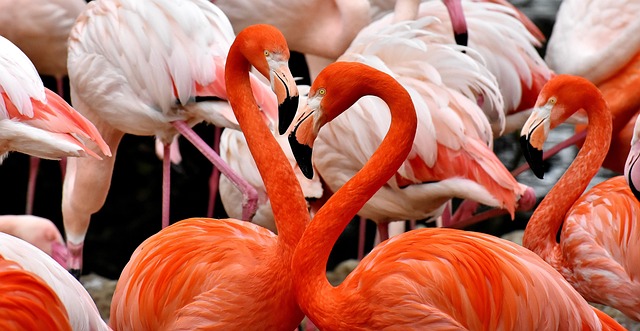
Graceful, vibrant, and instantly recognizable, the flamingo is one of the most iconic birds on Earth. With its long legs, curved neck, and stunning pink feathers, this bird brings color and life to wetlands, lagoons, and shallow lakes across several continents. Often seen standing calmly on one leg or gathered in large, lively flocks, flamingos captivate bird lovers with their beauty and unique behavior.
Beyond their striking appearance, flamingos are highly social creatures that thrive in colonies sometimes numbering in the thousands. Their synchronized movements and group displays create a breathtaking spectacle, reminding us of the incredible diversity and harmony found in nature.
Scientific Information
- Common Name: Flamingo
- Scientific Group: Phoenicopteridae
- Order: Phoenicopteriformes
- Class: Aves
- Average Height: 3–5 feet (0.9–1.5 meters), depending on species
- Wingspan: 37–59 inches (95–150 cm)
- Weight: 4–8 pounds (2–3.6 kg)
- Lifespan: Typically 20–30 years in the wild; up to 50 years in protected environments
Species of Flamingos:
There are six recognized species, including the Greater Flamingo, Lesser Flamingo, Chilean Flamingo, Andean Flamingo, James’s Flamingo, and American (Caribbean) Flamingo.
National Recognition:
The flamingo is closely associated with the Bahamas, where the American Flamingo is celebrated as the national bird, symbolizing the country’s rich wildlife.
Fun Facts
- Why So Pink? Their famous color comes from pigments found in algae and tiny crustaceans they eat. Without this diet, their feathers would appear pale.
- One-Legged Balance: Scientists believe standing on one leg helps conserve body heat and energy.
- Upside-Down Eating: Flamingos feed with their heads inverted, using specialized beaks to filter food from the water.
- Born Gray: Flamingo chicks hatch with soft gray or white feathers and gradually turn pink as they mature.
- Group Power: A flock of flamingos is called a “flamboyance,” perfectly matching their bright appearance.
- Strong Flyers: Despite their delicate look, flamingos can fly long distances at speeds of up to 35 mph (56 km/h).
Habits & Behavior
Flamingos display fascinating social and survival behaviors that make them stand out among water birds.
- Highly Social Birds: They prefer living in large colonies, which helps protect them from predators and improves breeding success.
- Synchronized Courtship: Groups perform coordinated displays—marching, head-flagging, and wing-spreading—to attract mates.
- Shallow-Water Specialists: Their long legs allow them to wade comfortably while searching for food in waters that many birds cannot access.
- Dedicated Parents: Both parents help incubate the egg and feed the chick with a nutrient-rich fluid often called “crop milk.”
- Day-and-Night Feeders: Flamingos may feed at any time, depending on tides and food availability.
- Adaptable Survivors: Some species thrive in extremely salty or alkaline lakes where few other animals can live.