Gecko: The Tiny Lizard with Incredible Skills
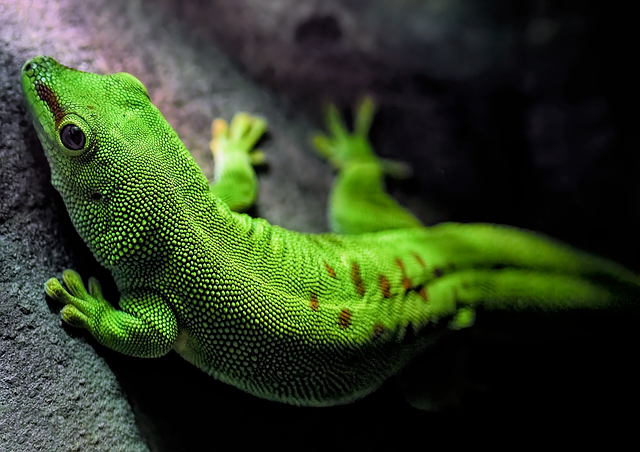
Geckos are small, fascinating lizards admired for their unique abilities, vibrant patterns, and incredible adaptability. Found in warm climates around the world, these tiny reptiles are most often seen climbing walls, ceilings, or tree trunks with astonishing ease. Known for their sticky feet, nocturnal lifestyle, and chirping calls, geckos have captured human curiosity for centuries and are often considered a sign of good luck in many cultures.
Despite their modest size, geckos are remarkable survivors. From tropical rainforests to desert edges and even urban areas, they have evolved specialized traits that allow them to thrive in diverse environments, making them one of the most versatile lizards on Earth.
Scientific Information
- Common Name: Gecko
- Scientific Group: Gekkota (infraorder of lizards)
- Family: Gekkonidae (most common family)
- Order: Squamata
- Class: Reptilia
- Average Length: 1.6–24 inches (4–60 cm), depending on species
- Weight: 2–100 grams
- Lifespan: 5–20 years depending on species and habitat
Interesting Fact: Geckos are found in tropical, subtropical, and even temperate regions worldwide, with over 1,500 species documented.
Fun Facts
- Sticky Feet Superpower: Geckos can walk on walls and ceilings thanks to microscopic hairs on their toes called setae.
- Nocturnal Callers: Many geckos chirp, bark, or squeak at night to communicate with others, a unique trait among lizards.
- Tail Tricks: They can drop their tails when threatened to escape predators—a process called autotomy.
- Regeneration Magic: Lost tails eventually grow back, often with slightly different colors or patterns.
- Eye Marvels: Geckos have large eyes with no eyelids; they clean them using their tongues!
- Camouflage Experts: Some species can change colors slightly to blend with their environment.
Habits & Behavior
Geckos are fascinating creatures with unique survival strategies and social behaviors:
- Nocturnal Hunters: Most geckos are active at night, hunting insects, spiders, and other small prey.
- Territorial Communicators: Male geckos often mark their territory with chirps and body movements.
- Climbers & Jumpers: Their toe pads allow them to scale vertical surfaces and make agile jumps between branches.
- Solitary but Vocal: While generally solitary, geckos use vocal calls to attract mates or warn rivals.
- Moisture Seekers: Many geckos lick dew or water droplets from leaves and surfaces.
- Temperature Regulators: Like all reptiles, geckos are cold-blooded and rely on sunbathing or sheltering to maintain their body temperature.